
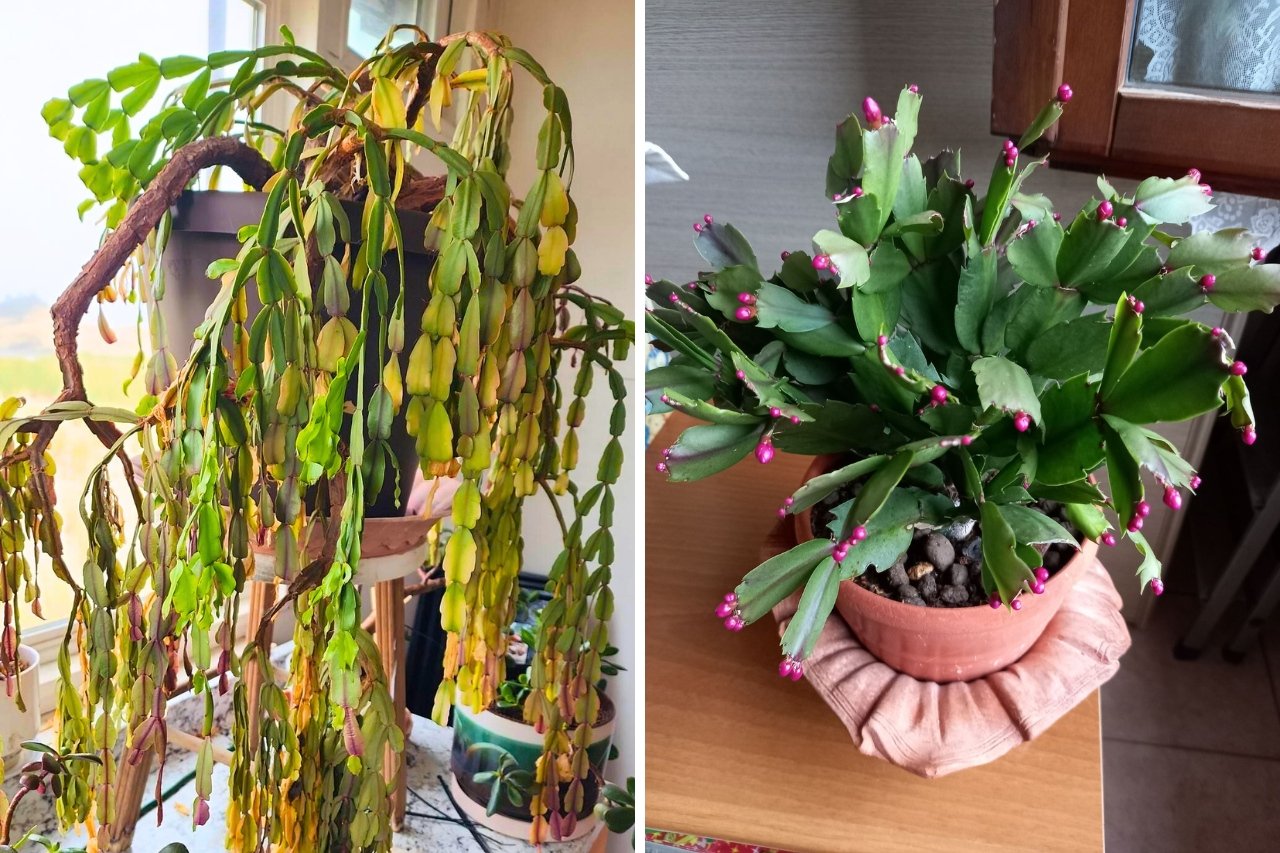
The holidays are over, the decorations are packed away, and now you’re left with a Christmas cactus that isn’t quite sure what to do with itself.
I’ve been there, staring at my beloved Christmas cactus, wondering what’s next.
As a fellow plant enthusiast, I thought I’d share a few friendly tips on what to do with your Christmas cactus in the post-holiday winter months.
These are eight down-to-earth things I do to keep my cactus happy until spring. (And don’t worry, it’s all pretty easy and totally doable!)
1. Enjoy the Last Blooms & Remove the Spent Ones
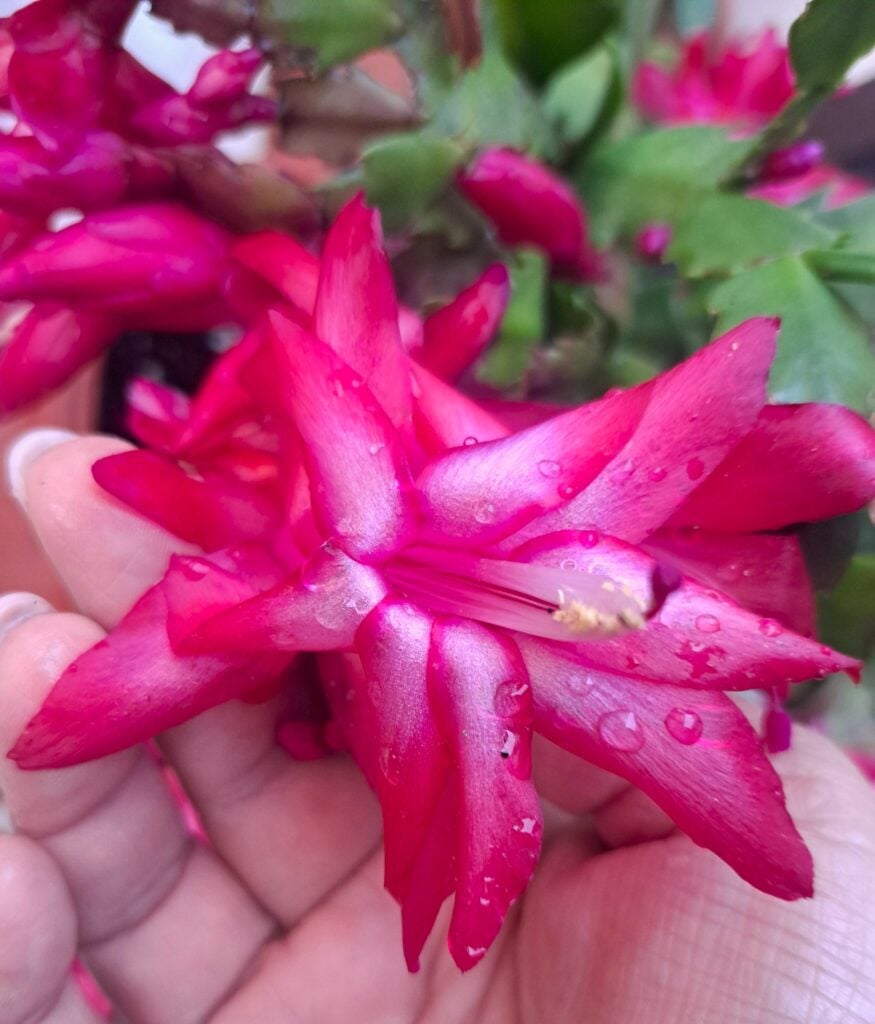
First things first: savor any lingering flowers.
Some Christmas cactus might still be blooming a little in January. If yours has a few late bloomers, enjoy them.
Once the flowers dry up and shrivel, go ahead and deadhead them (pinch or gently pull them off).
I do this partly because it keeps the plant tidy, but also because those dried blooms get sticky as they fade and will glue themselves to anything they fall on.
I’ve had old petals stick to the pot, the table, even my floor, and it’s not fun to scrape off later!
Removing spent blooms keeps your cactus looking its best and might even encourage any remaining buds to open up.
Think of it as giving your plant a little post-holiday clean-up; it deserves it after working so hard to be beautiful.
2. Let Your Cactus Rest After the Holiday
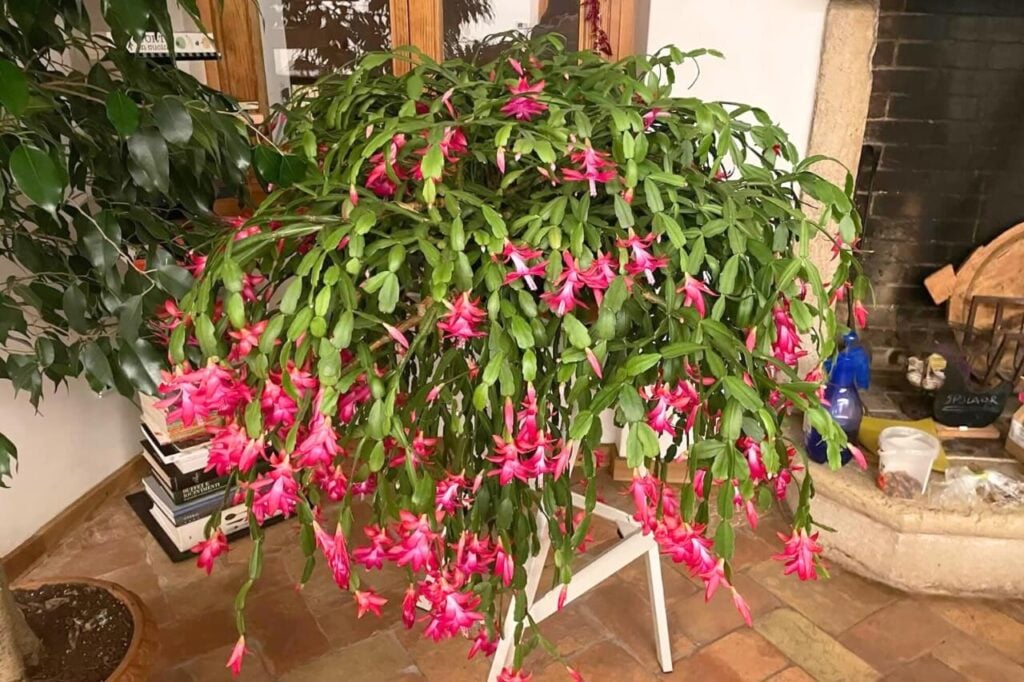
The winter months are downtime for your Christmas cactus. After blooming, these plants enter a short dormant period for a few weeks.
Our cactus is a lot like us after the holidays, it just threw a big, glorious party with all those flowers, and now it needs to recharge its batteries.
Don’t worry if it’s not growing new leaves or buds right now. It’s taking a well-earned nap, and less is more in terms of care during this phase.
So if your plant looks a bit tired or bored now, that’s normal! Let it chill out for a bit. In a few weeks, it will start gearing up for new growth again when it’s ready.
3. Go Easy on the Watering
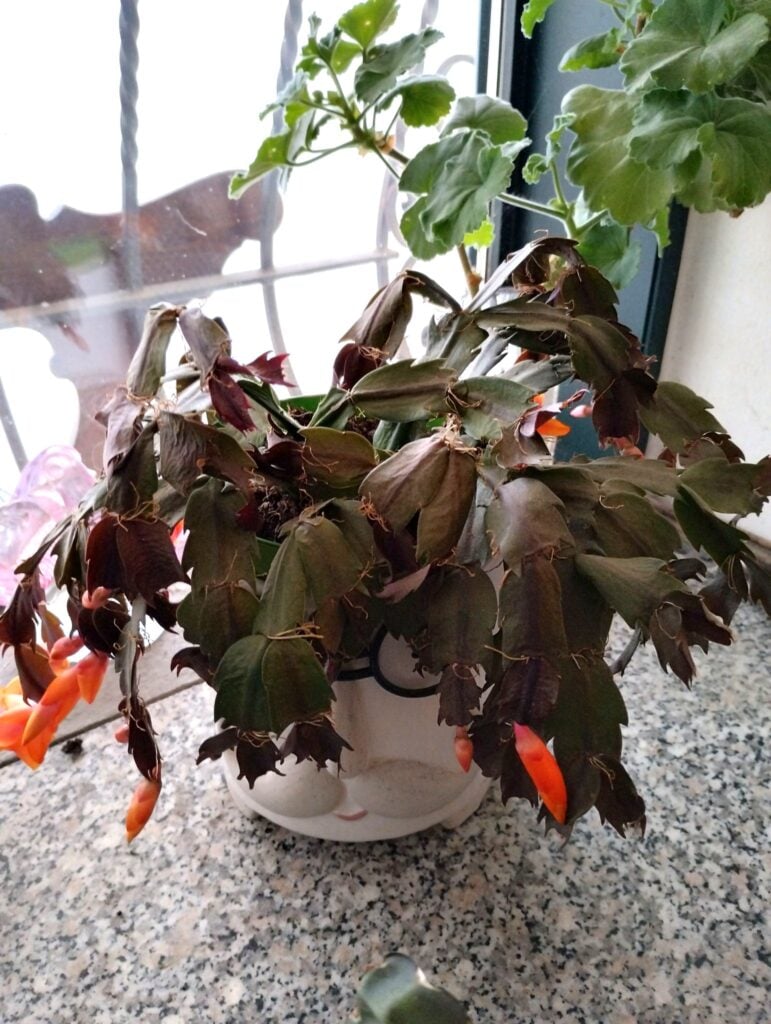
After the holiday bloom, hold back on the watering a bit.
During winter dormancy, your Christmas cactus wants a semi-dry nap. In fact, overwatering now is one of the biggest mistakes we can make (been there, over-watered that).
Because it’s winter with shorter, cooler days, the soil stays wet longer and the plant isn’t drinking as fast.
I let the top inch or two of the soil dry out completely before I water at this time of year.
If the top feels bone-dry, I’ll give a thorough drink, but then I wait again until it’s truly dry. Often, I find I’m watering way less in January and February, maybe half as often as in summer.
My personal rule? When in doubt, wait it out.
The cactus handles underwatering better than overwatering, especially in winter. If you keep the soil too soggy now, the roots can rot and the plant will get droopy and sad.
Plus, overwatering is extra risky in winter and can cause more problems (like fungus gnats or root rot) because the plant isn’t actively growing.
PRO GARDENER: If your home has super-dry heated air, consider a shallow tray of water or a humidifier nearby for a humidity boost. Christmas cacti come from tropical forests originally, so they do appreciate some humidity.
4. Skip the Fertilizer for Now
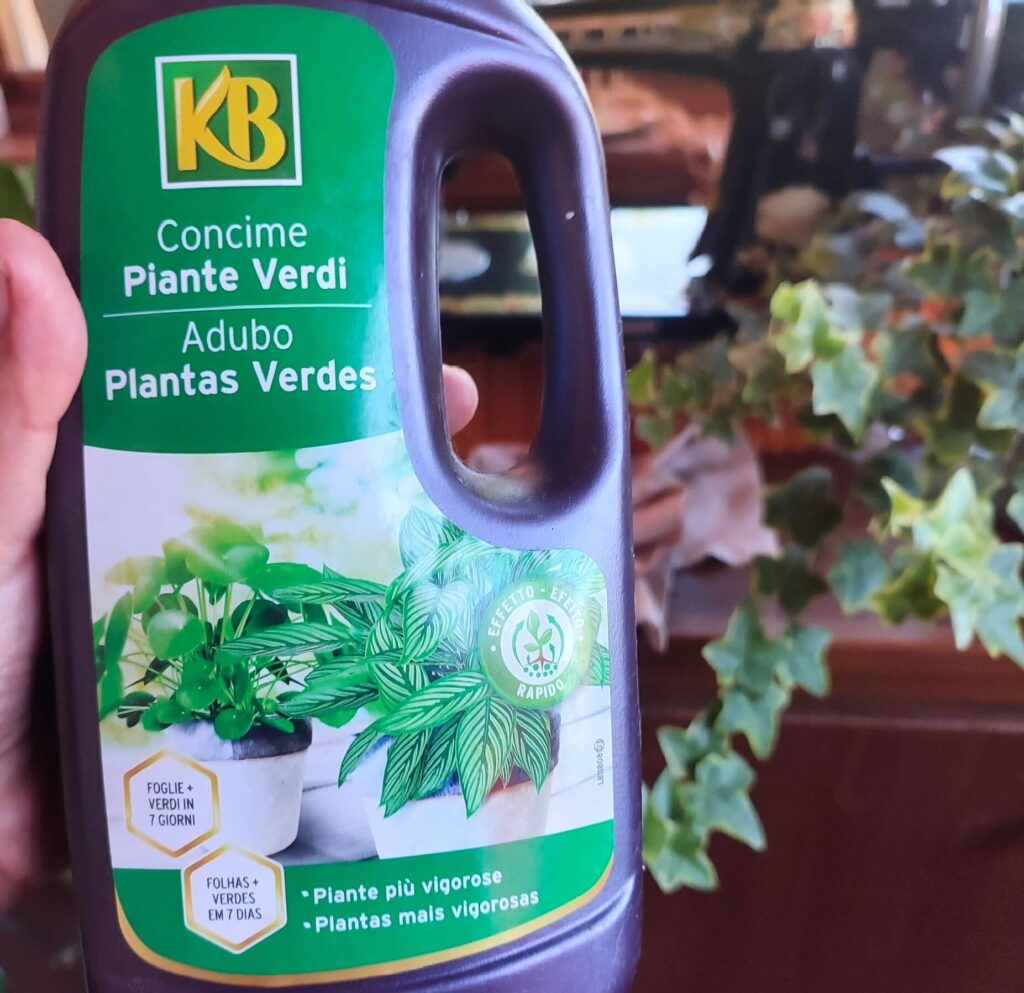
Here’s something I had to learn by trial and error: don’t feed your Christmas cactus right after it blooms.
I know, it’s tempting, but hold off on the fertilizer until maybe early spring or when you see new growth starting.
While it’s blooming (and immediately after), it’s not actively growing new leaves, so it doesn’t really use extra fertilizer then.
In fact, experts say there’s no need to fertilize during bloom at all.
So in January/February, save your fertilizer for later.
I personally wait until I notice my cactus waking up (tiny new leaf segments poking out) before resuming feeding, generally in spring and summer.
5. Give It Bright Light (But No Extreme Temperatures)
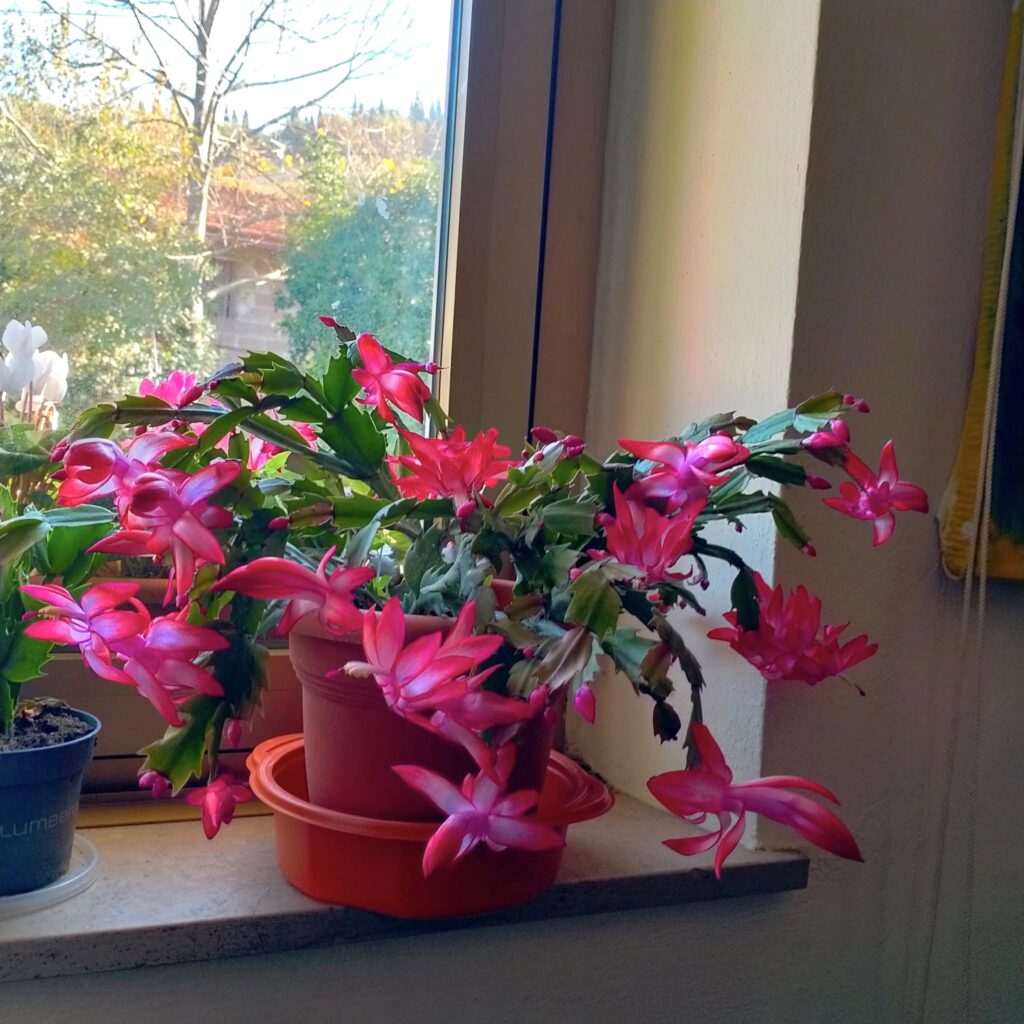
Even in winter, light is your Christmas cactus’s friend.
After the holidays, find a nice cozy spot where your cactus can get bright, indirect light.
For example, mine sits near an east-facing window where morning sun comes in, but I keep it a couple of feet back so it’s not getting harsh direct rays.
These plants like good light, especially to help them recover and eventually set new buds, but too much direct sun can scorch their fleshy leaves.
Temperature-wise, Christmas cacti are actually pretty comfy in normal home temps, but they do prefer it on the cooler side at night.
Ideally, keep it around 60–70 °F (15–21 °C) in the daytime and a bit cooler at night.
Avoid any cold drafts or heat blasts, I learned the hard way not to put my cactus near an exterior door or a heating vent. Sudden chills or hot dry air can make it drop buds or just stress it out.
A consistent, moderate temperature is best.
One more thing: if your cactus was a gift sitting in a dark spot for the holidays (sometimes people use them as table centerpieces away from windows), now’s a good time to move it to a better-lit area.
Just do it gradually if it was in low light, so it doesn’t freak out.
6. Hold Off on Repotting
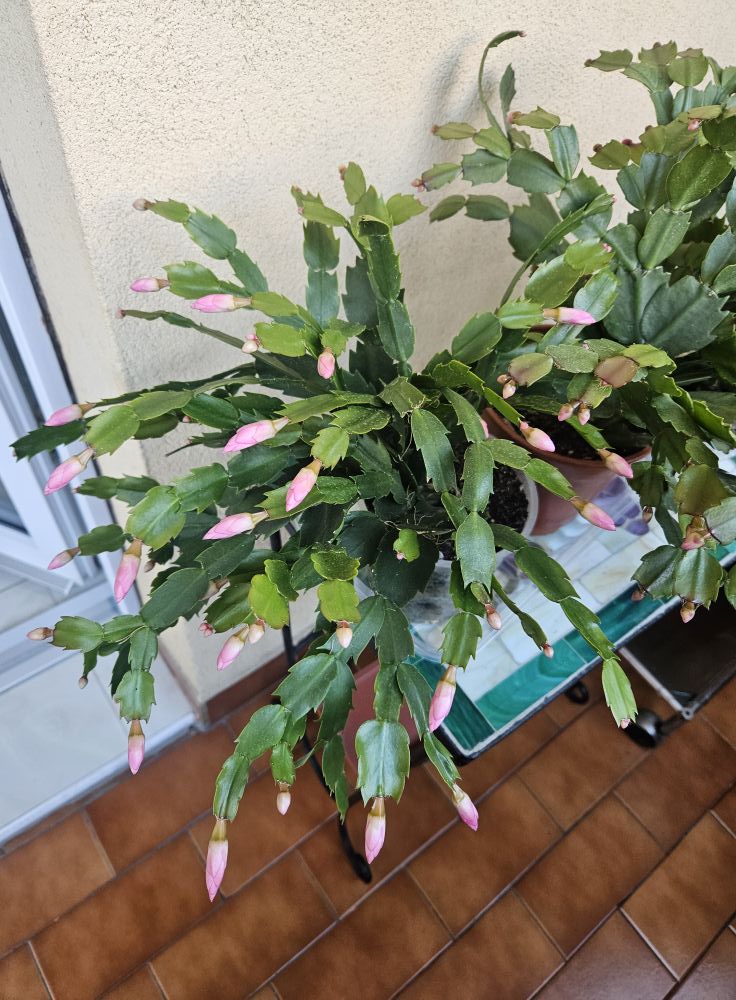
Resist the urge to repot your Christmas cactus in January or February.
I know, the new year makes us want to freshen things up, and that pot might look cramped.
But here’s the thing: Christmas cacti actually like being slightly pot-bound, and winter is the worst time to disturb their roots.
These plants can live in the same pot for years quite happily. In fact, they often bloom better when a bit snug in their pots.
Unless you see roots outright crawling out of the drainage holes or the soil is a solid block of roots, you’re probably fine to wait a while.
Right after blooming, the plant has spent a ton of energy and is resting. Repotting now would just stress it out.
My rule of thumb: wait until spring or even early summer to repot, and only do it every few years.
I usually repot mine in late spring if needed, when I see it starting to grow new segments. That tells me it’s in active growth and will handle the move better. Plus, slightly warmer weather means recovery will be quicker.
So for now, keep it in its current pot. Just make sure the drainage is good and that you’re not overwatering.
7. Give It a Little Cut
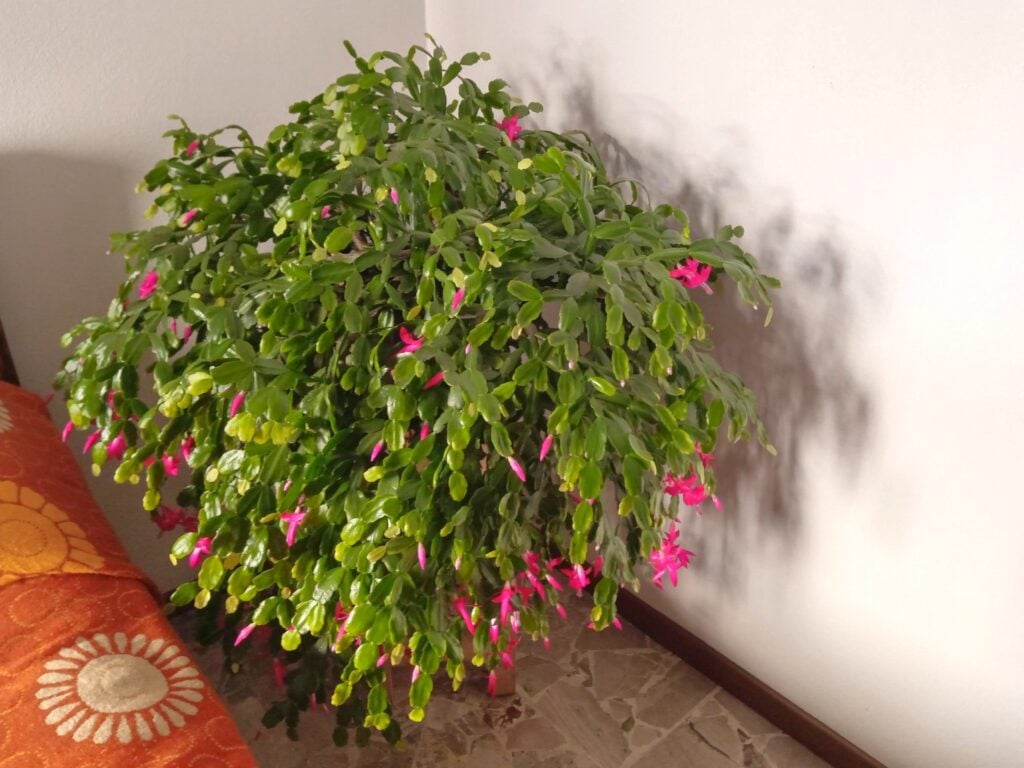
Christmas cactus can look a bit leggy or lopsided after the bloom.
Pruning can help it stay shapely and encourage more branching (which means more flowers next time).
The best time to do a light prune is right after blooming, so January and February are good months.
Just a few snips here and there, nothing drastic. This pruning will stimulate the plant to put out new branches and grow fuller.
Each place you cut will often sprout two new segments, making the cactus bushier over time. And a bushier cactus equals potentially more bloom sites for next year.
To prune, you can twist off or cut off a segment at the joint between two “leaf” pads (those flat segments)-.
It’s super easy, the segments usually pop off with a gentle twist or you can use clean scissors.
Don’t go crazy though; I never remove more than about 1/3 of the plant. If your cactus is small, just trim an inch or so off some stems to even it out.
If you are unsure whether your cactus needs pruning, I recommend checking out these 7 signs that clearly indicate it needs a trim.
Now, here’s the best trick. You can easily propagate the pieces you snip off!
Just follow this propagation guide; it’s a super easy and very fast process.
QUICK NOTE: If your cactus is absolutely perfect and you love its shape, you can totally skip pruning. Pruning is optional. But I’ve found even a tiny trim makes mine branch out nicely.
8. Give It a Mid-Winter Cleanup
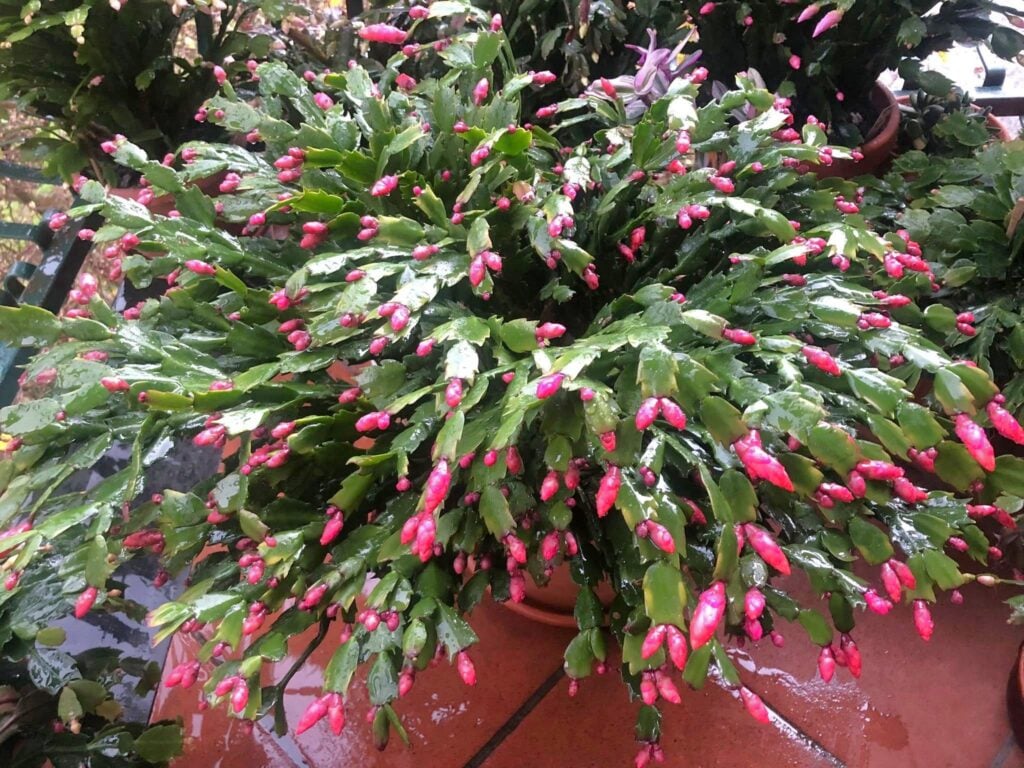
Here’s a tip you might not hear often: give your Christmas cactus a good cleaning.
After months of sitting around, the leaves (technically stems) can accumulate dust.
I’ll admit, I sometimes neglect dusting my plants (I defend myself by saying that I don’t have enough free time).
However, it’s important because dust isn’t just cosmetic. It can actually make it harder for the plant to absorb sunlight for photosynthesis.
So once all the blooms are done and fallen, I like to clean the foliage.
The easiest way I’ve found is to put the cactus in the sink or shower and give it a lukewarm rinse.
You should gently spray the leaves to wash off the dust. If you try this, just make sure to use lukewarm water to avoid shocking the plant.
Also, don’t blast it with super high pressure; a light shower is fine.
To keep the soil from getting waterlogged, I sometimes wrap a plastic bag around the pot to cover the soil (a trick I picked up online)
This way, the water mostly hits the green parts and runs off, and the soil stays relatively dry. After its “shower,” I let the cactus drip off in the tub, then put it back in its spot. It looks so fresh and perky afterward!
If the shower method sounds too much and your plant is pretty small, you can also wipe the segments with a soft cloth or even a gentle paintbrush to dust them.
It’s a bit tedious because you have to support those delicate segments (they can break if you’re too rough), which is why I prefer rinsing.
But whichever way, a clean plant is a happy plant, ready to soak up the late-winter sunshine.
Lastly, don’t forget to check the Tips to Make Your Christmas Cactus Thrive (And Mistakes That Will Kill It).