
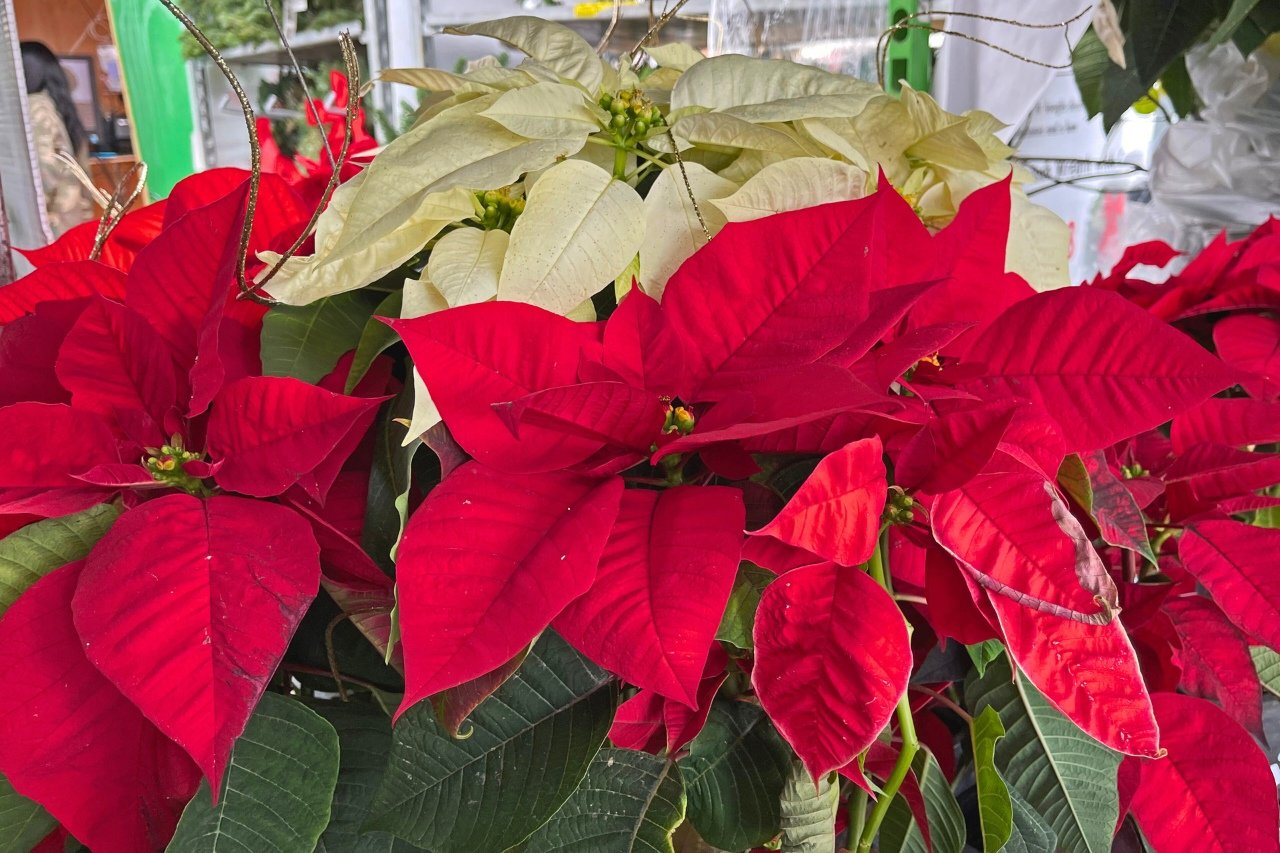
So the holidays are over, the lights are down, but the poinsettia is still sitting on the table like something else is about to happen.
Every year around January, people do the same thing. They stare at it, sigh, and (unfortunately) some people throw it away.
Poinsettias get such a bad reputation for being temporary, but honestly, they’re just misunderstood.
January and February are still crucial months for them, and you can do a lot to keep them alive and blooming!
1. Move it to the brightest spot in the house
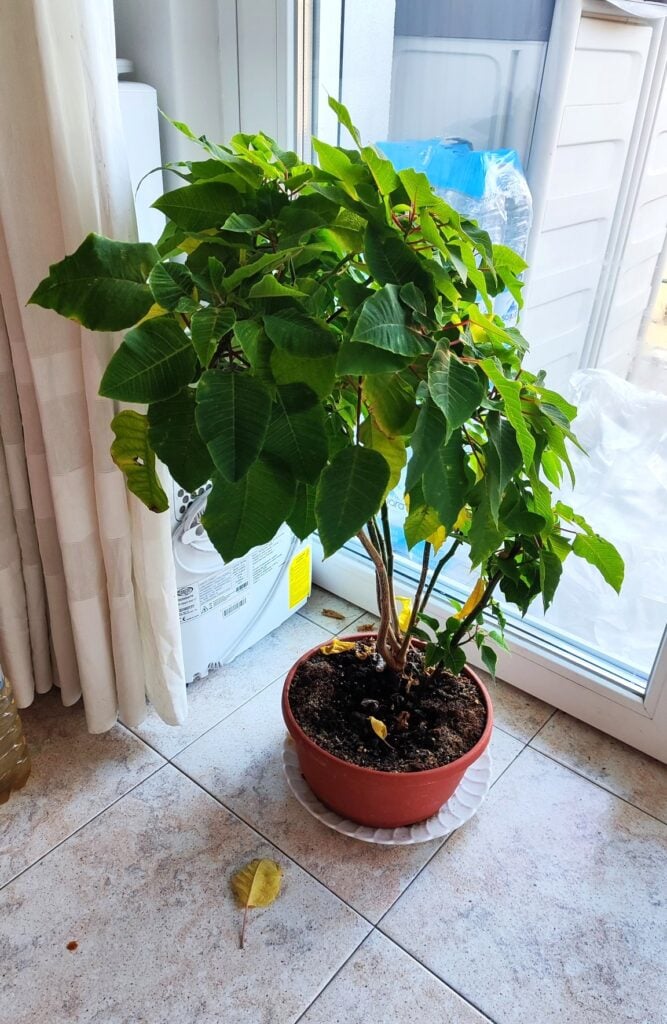
In December, poinsettias often end up wherever they look cute.
After the holidays, it’s time to put them where they’ll live. A bright window is ideal, especially one with lots of daylight.
No blazing heat blasting on it, though. Check that there’s no radiator nearby, or the levels will start dropping.
So remember: bright light and stable temperature.
2. Stop watering on autopilot
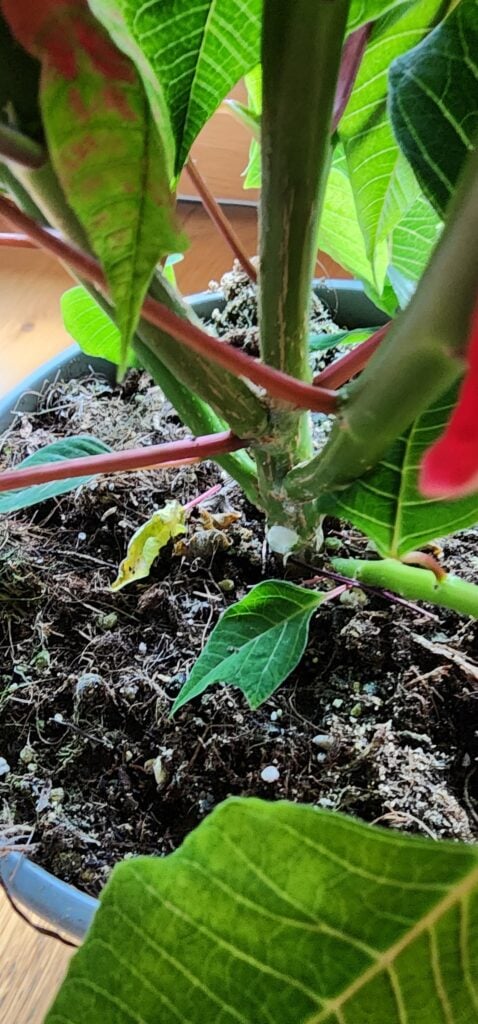
When someone asks me for advice about poinsettias, I always make the same joke: most poinsettias die from love, overwatering love.
In winter, the soil dries slower. So watering on a schedule is the worst thing you can do.
You should always stick a finger in the soil. If the top inch feels dry, water. If it still feels damp, leave it alone.
Also, if it came wrapped in that decorative foil, take it off or at least poke drainage holes. Those cute wrappers trap water, and roots hate that.
3. Give it a “temperature check”
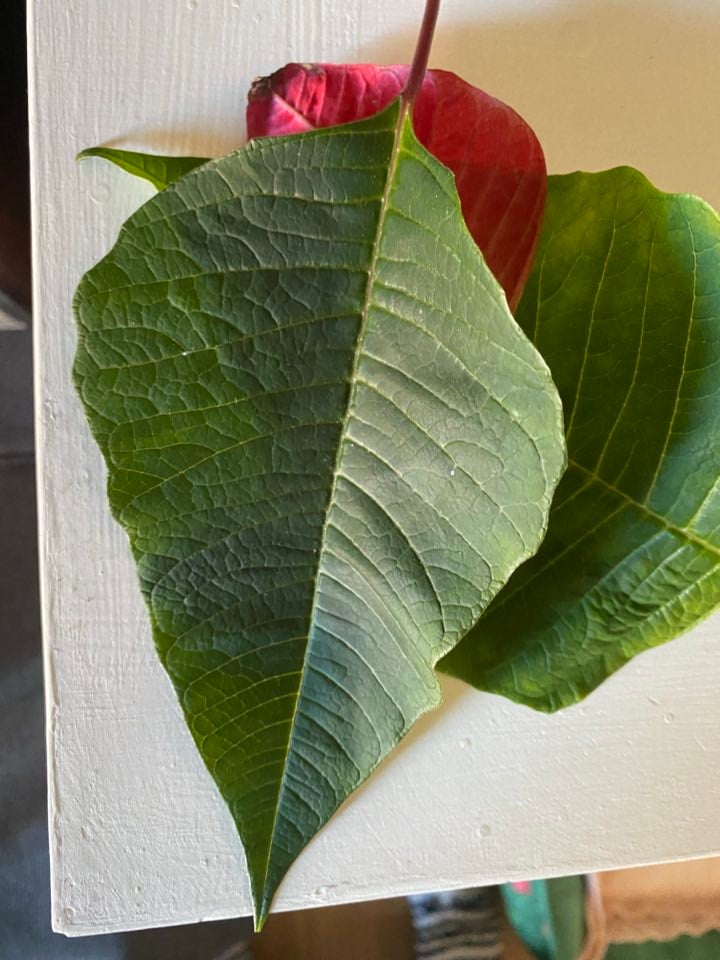
Another very important thing to keep in mind is that Poinsettias hate drafts.
Avoid cold window drafts, open doors, AC, heaters, even that one spot in the hallway that feels chilly for no reason.
If leaves are suddenly dropping fast, don’t immediately assume you did something terrible. Look around and ask yourself whether the plant is being hit by cold air.
If yes, move it; sometimes that’s all it needs.
4. Rotate the pot every week or so
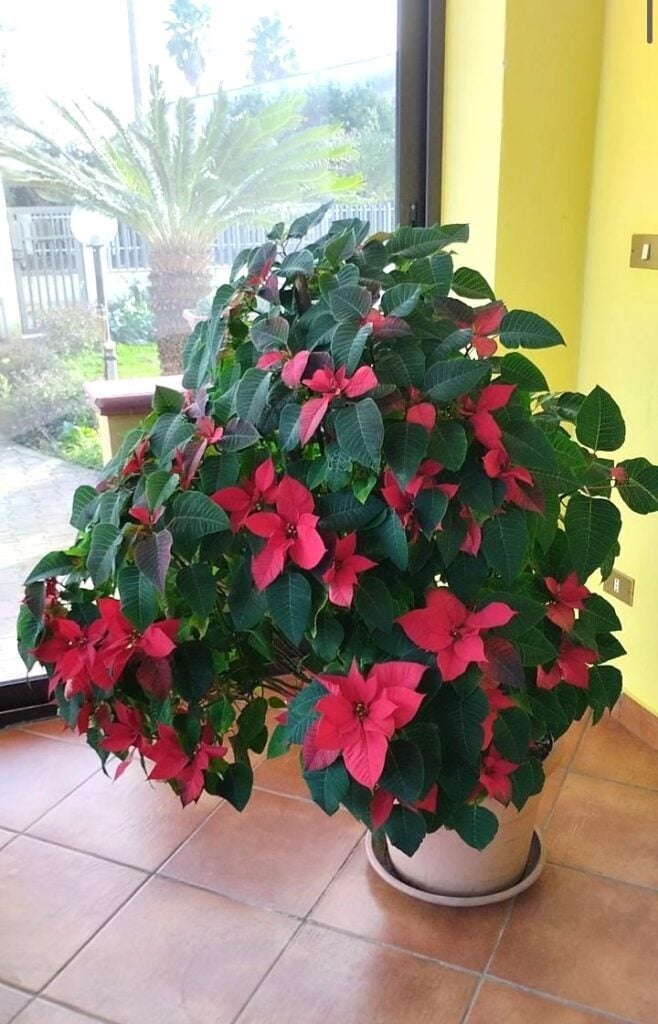
This sounds fussy, but it’s the easiest “fancy plant person” trick.
Poinsettias lean hard toward light. If one side is always facing the window, it starts growing like it’s trying to escape the room.
So rotate the pot a little every week. Just a casual half turn will help keep the shape fuller and less lopsided.
5. Clean the leaves
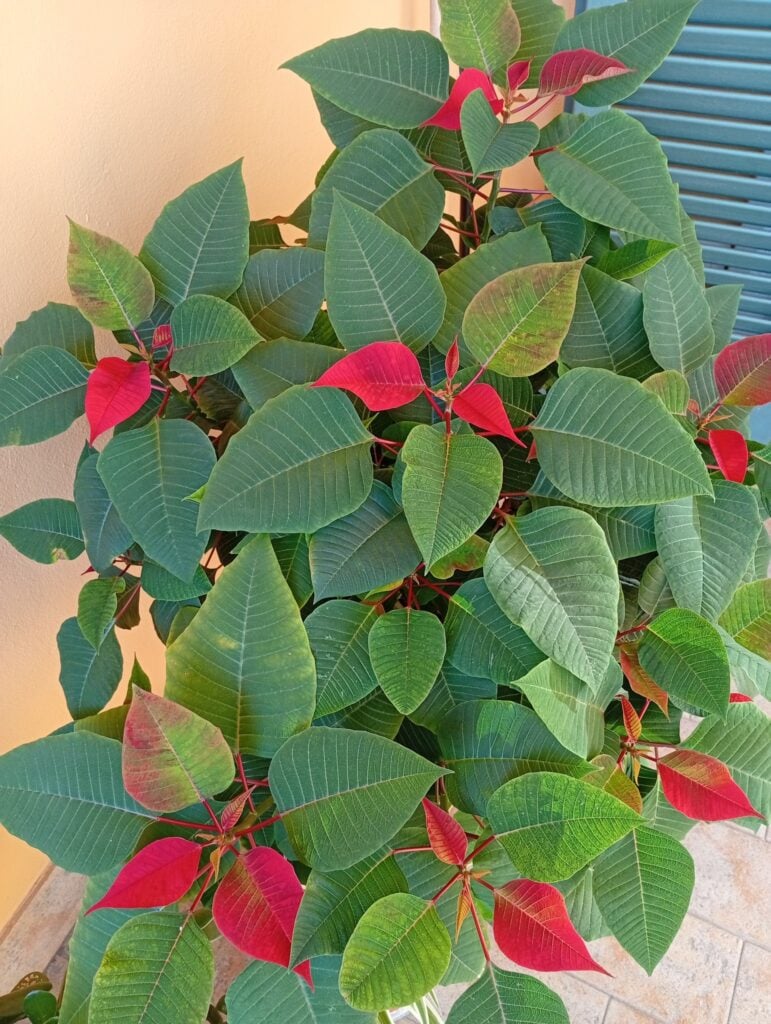
Another thing you should consider is that in January and February, winter air indoors can get dusty.
And obviously, dust blocks light, and less light means a weaker plant.
You can take a soft damp cloth and gently wipe the leaves. The plant instantly looks better, and it also helps spot issues early, like sticky spots or tiny pests.
6. Watch for pests, especially in dry heated rooms
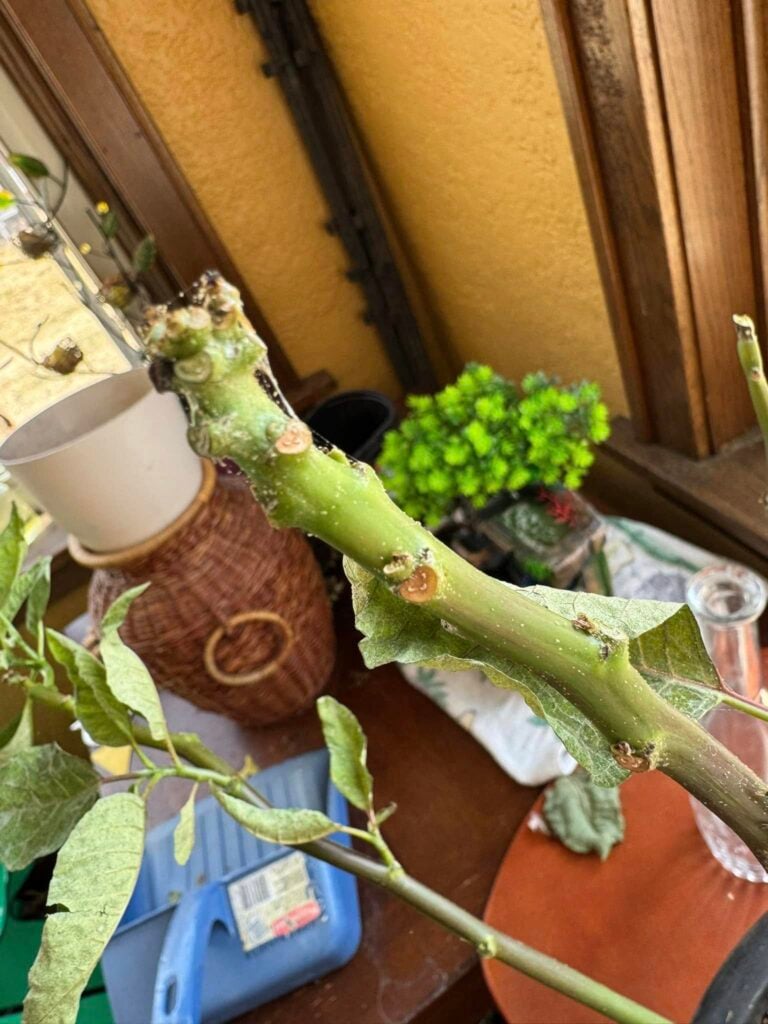
Talking about pests, January and February are prime time for spider mites. They love warm, dry indoor air.
If the leaves look a little speckled, dull, or just “off,” check the undersides. If you see tiny webbing, that’s your clue.
In that case, you can give the plant a good rinse in the shower with lukewarm water, then just let it dry. If it’s more serious, you can use insecticidal soap.
PRO GARDENER: Catching it early is the secret. Remember to check under the leaves of all plants from time to time.
7. Keep feeding light, or skip it until spring
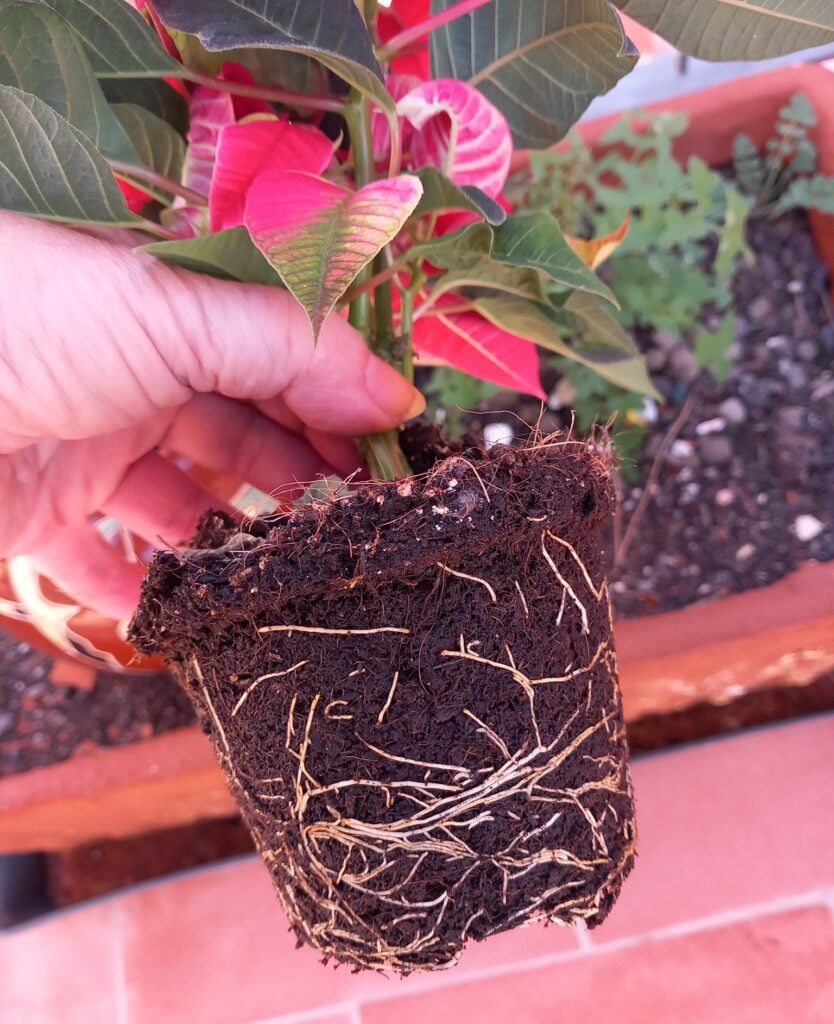
People always ask about fertilizer. In January and February, never go heavy.
The plant isn’t in full growth mode the way it is in warmer months. Too much fertilizer can stress it.
If your poinsettia still looks healthy and has leaves, a very diluted balanced fertilizer once a month is fine.
If it looks tired and sparse, you should usually skip feeding and focus on basic care: good light and smart watering.
EXTRA TIP: Get ready for the next phase
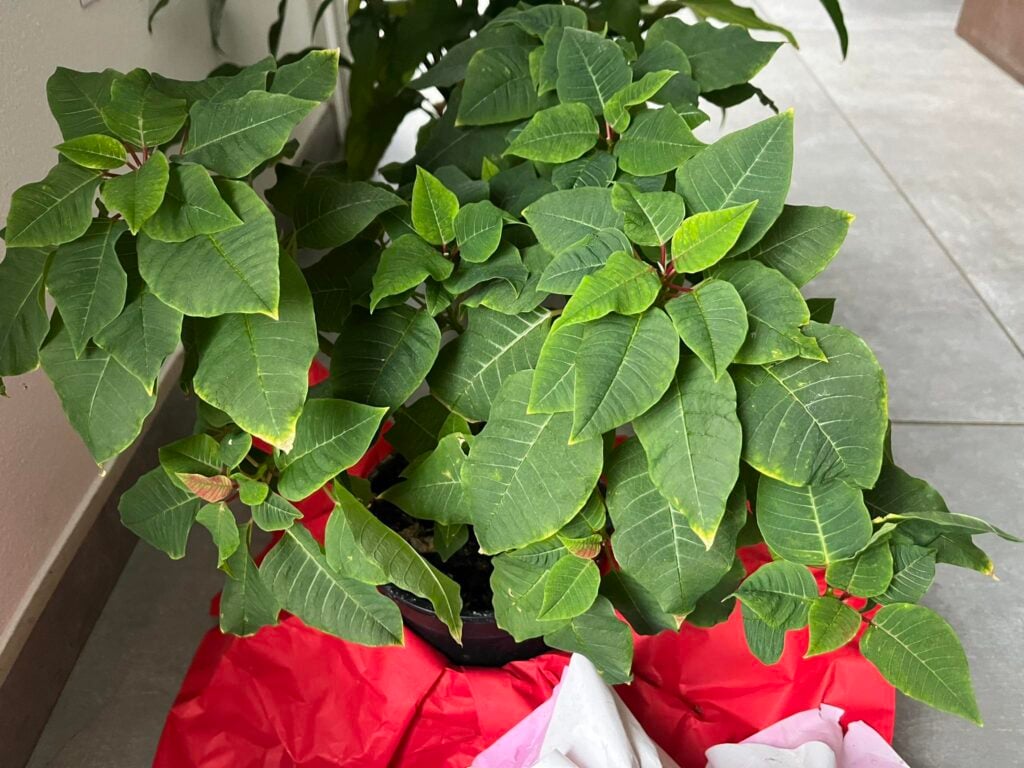
This part is optional, but it’s the fun nerdy gardener part.
If you want to keep your poinsettia long term, late winter and early spring is where you start thinking ahead.
Here’s what I recommend:
Enjoy it as a leafy houseplant through winter.
In early spring, once it gets leggy, I prune it back a bit to encourage branching.
When temps are consistently mild, move it outside to a bright sheltered spot.
And yes, it’s possible to get it to turn red again next holiday season. I explained in detail how to do it in this other article.
But even if it never turns red again, a healthy poinsettia is still a nice-looking green plant.
A quick reality check
If the colorful bracts fade, that’s normal. If a few leaves drop, it is also normal.
But if it’s dropping lots of leaves quickly, that’s usually:
- too much water
- not enough light
- cold drafts
- heat blasts
Fix those, and the plant usually calms down.
And if it doesn’t honestly, it happens. I’ve lost a poinsettia or two despite my best intentions.
In addition, if you also have a Christmas Cactus, don’t forget to check the 8 Things to Do With Christmas Cactus in January/February