February is always a bit of a dull month for gardening. The days are short and cold, and many people let it slip by without doing something about the garden.
But actually, it’s one of the most important months. This is the crucial time to start planning for the next season, so you’re not caught unprepared when the warm weather returns.
If you do that, the reward will be huge!
A quick February rule that keeps things simple
Starting in February is not about cramming every single plant into a tray. You should pick the slowpokes, the long-season crops, and the ones that genuinely love a head start.
Most February seed starting is for crops that need 10 to 12 weeks before they go outside, sometimes even longer.
1. Onions from seed
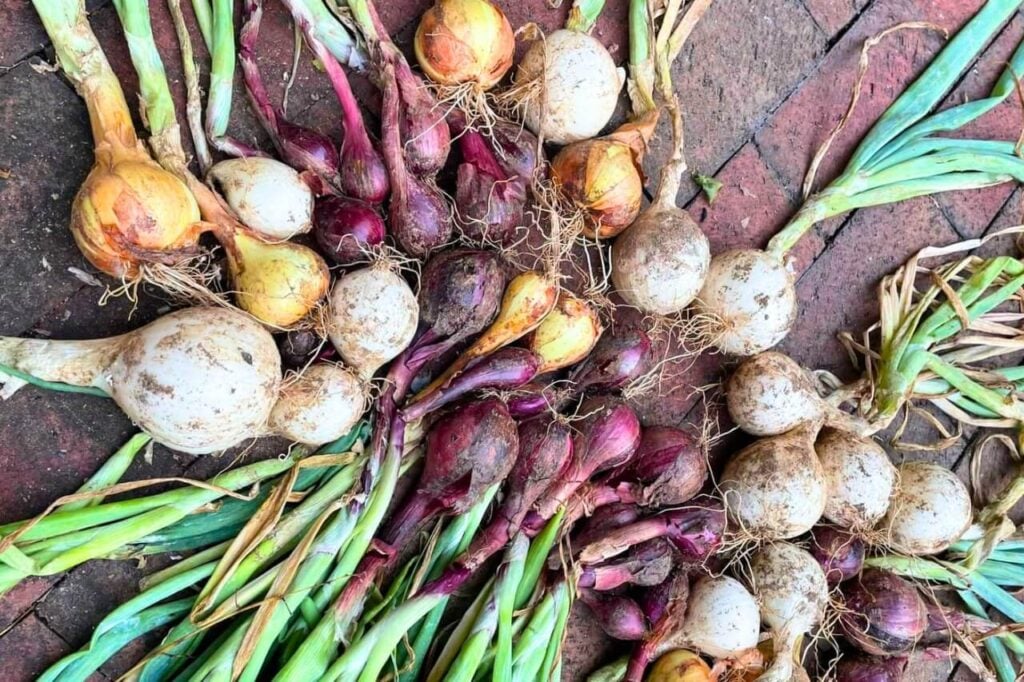
If there is one crop that makes February feel productive, it’s onions.
Onions started from seed take their sweet time, but the payoff is worth it.
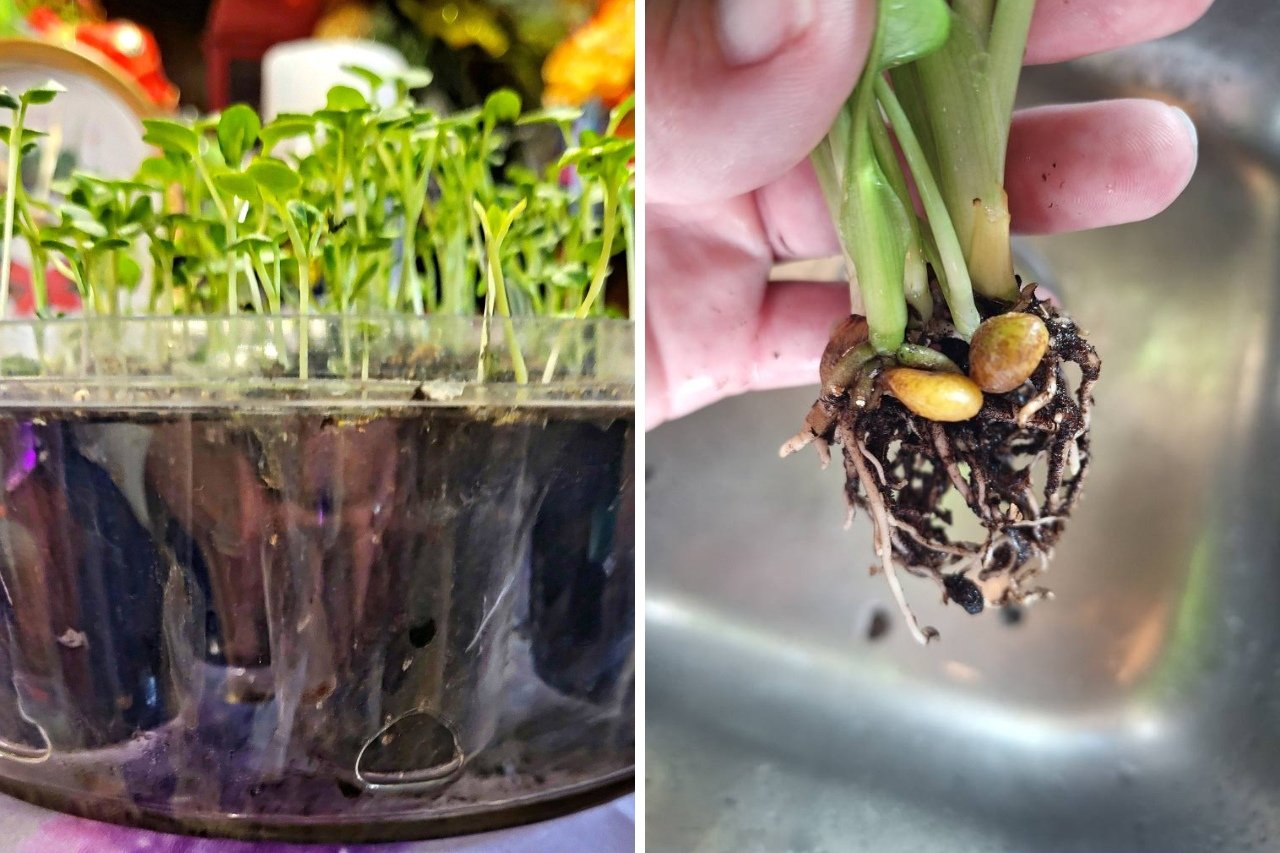
Bigger bulbs, more varieties, and no scrambling later. I like starting them in a shallow container and letting them grow like a little onion lawn.
Why February works
- Onions need a long runway
- The seedlings are tough and forgiving
- They can be trimmed without drama
PRO GARDENER: Always label the variety clearly. Onion seedlings look like onion seedlings. Two weeks later, everything looks identical.
2. Leeks
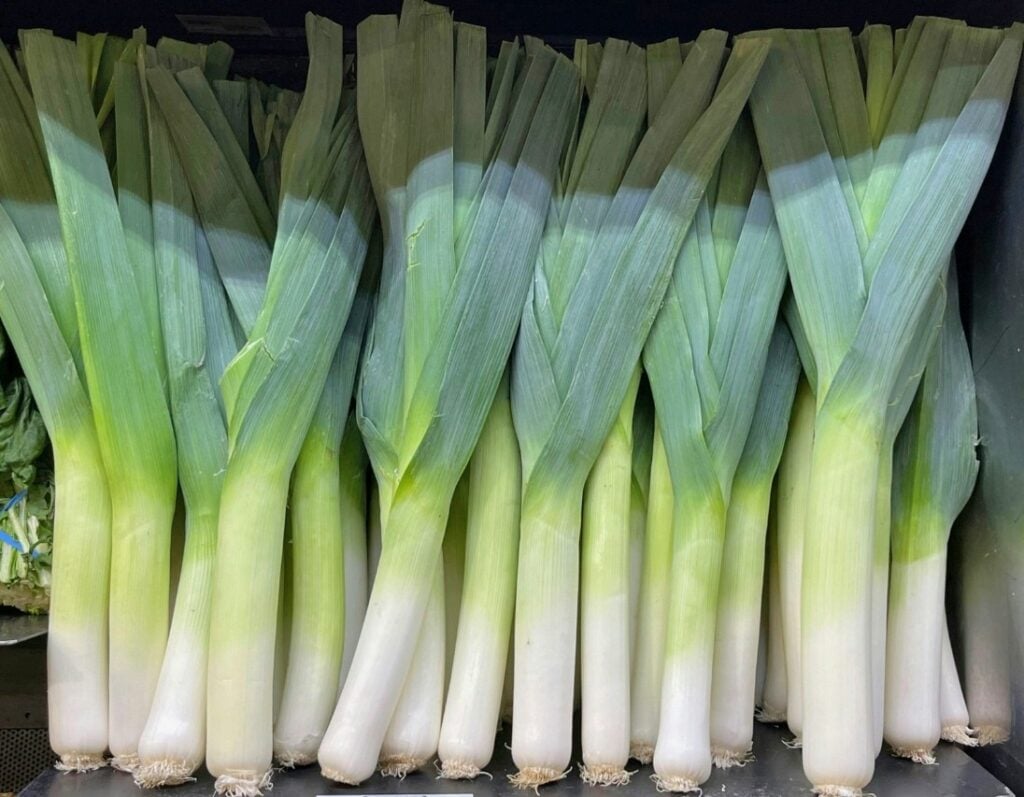
Leeks are basically onions with better manners. They grow slowly, they stay tidy, they tolerate cool weather, and they make soups taste incredibly good.
Start leeks early and transplant them out when they are pencil thick. Later, you hill soil around them to blanch the stems and get those long white shanks.
Why February works
- Long season crop
- Handles cool transplanting conditions well
- Strong seedlings once established
3. Celery
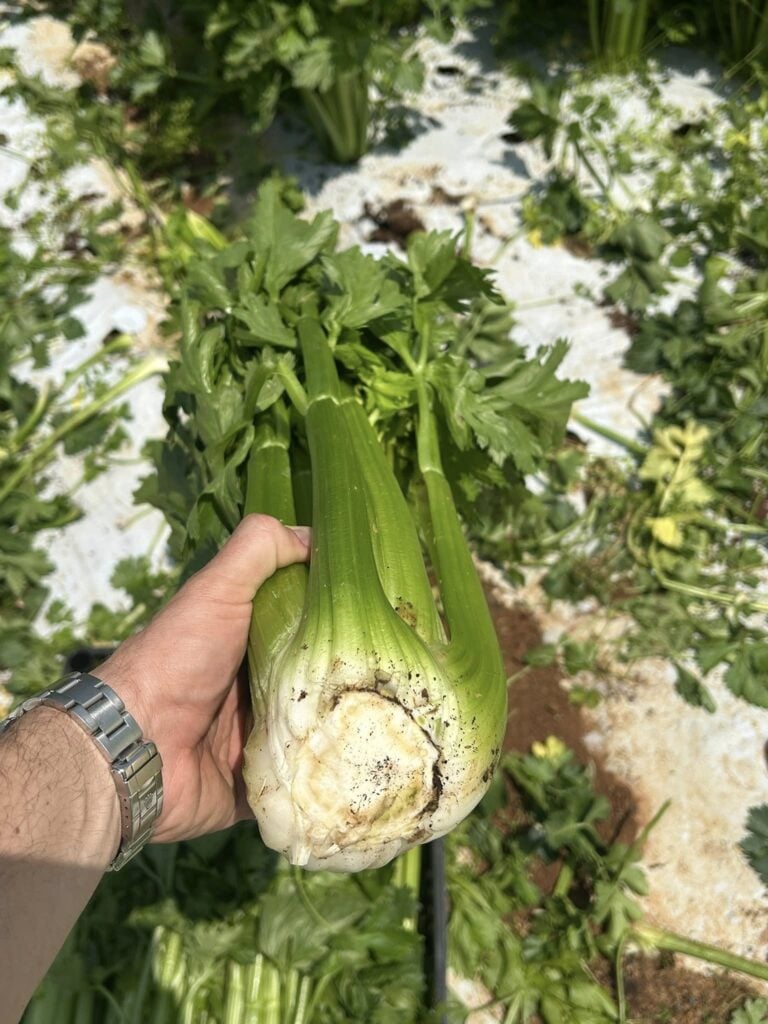
I always say that celery is the plant that taught me humility. Tiny seeds, slow germination, slow growth, picky about moisture, picky about temperature.
It is worth it, though, at least for me; there is a significant difference compared to supermarket-bought celery.
Celery seed needs light to germinate, so press it onto the surface instead of burying it. And keep it evenly moist.
Why February works
- Celery takes a long time
- Early indoor start gives it a better chance
- Transplants do best when they are sturdy, not rushed
4. Celeriac
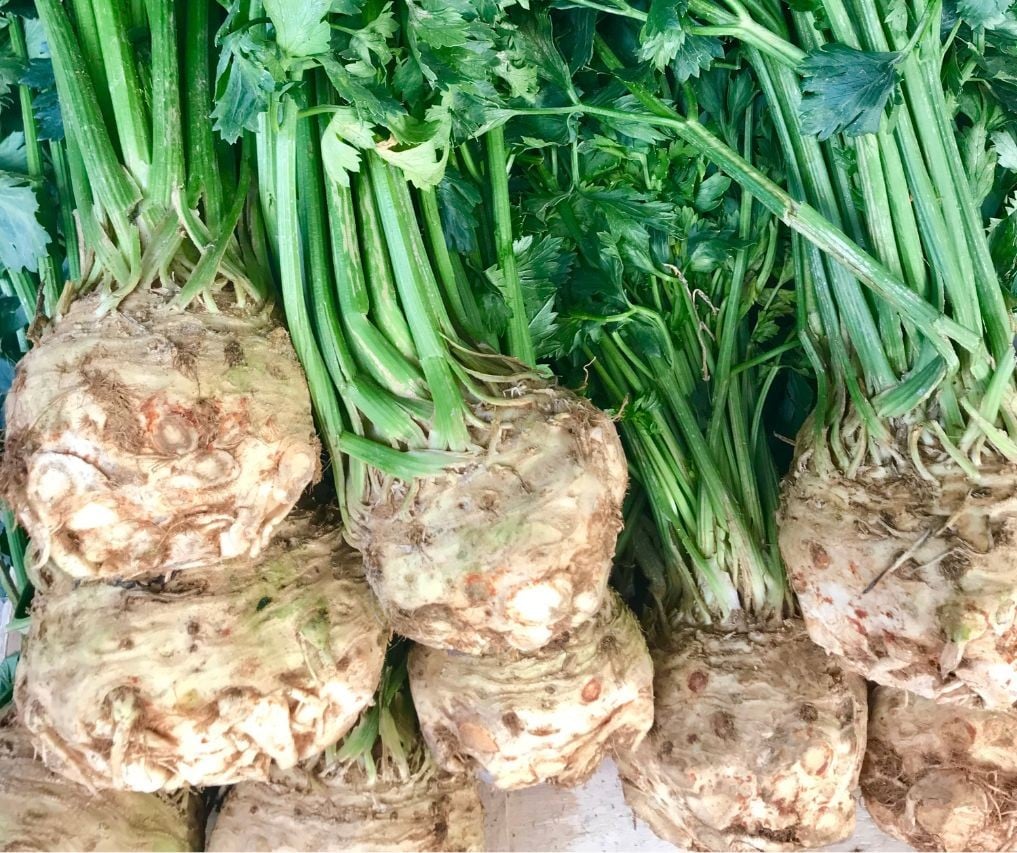
Celeriac is not that common in the USA, but it’s a staple in European cuisine. It’s a root vegetable, sweet and nutty, but with a distinctive celery flavor.
If you’ve never tried it, think celery flavor, richer, more earthy, great in mash, soups, and roasting.
It needs a long season, so February is perfect.
Why February works
- Slow grower
- Needs lots of time to size up
- Indoor start is almost required in many climates
5. Parsley
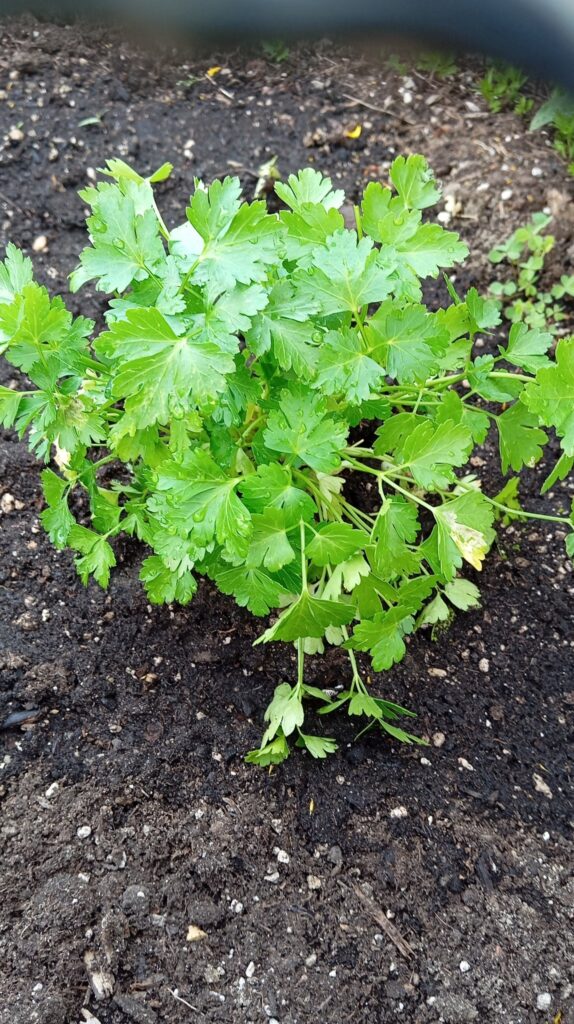
Parsley is sneaky. It looks simple, but it takes forever to germinate.
Start it early and forget about it for a while. One day it just shows up.
Soaking the seeds overnight can help, but even then it can be slow.
Why February works
- Slow germination
- Slow early growth
- Early start means real harvesting sooner
6. Rosemary, thyme, oregano, sage
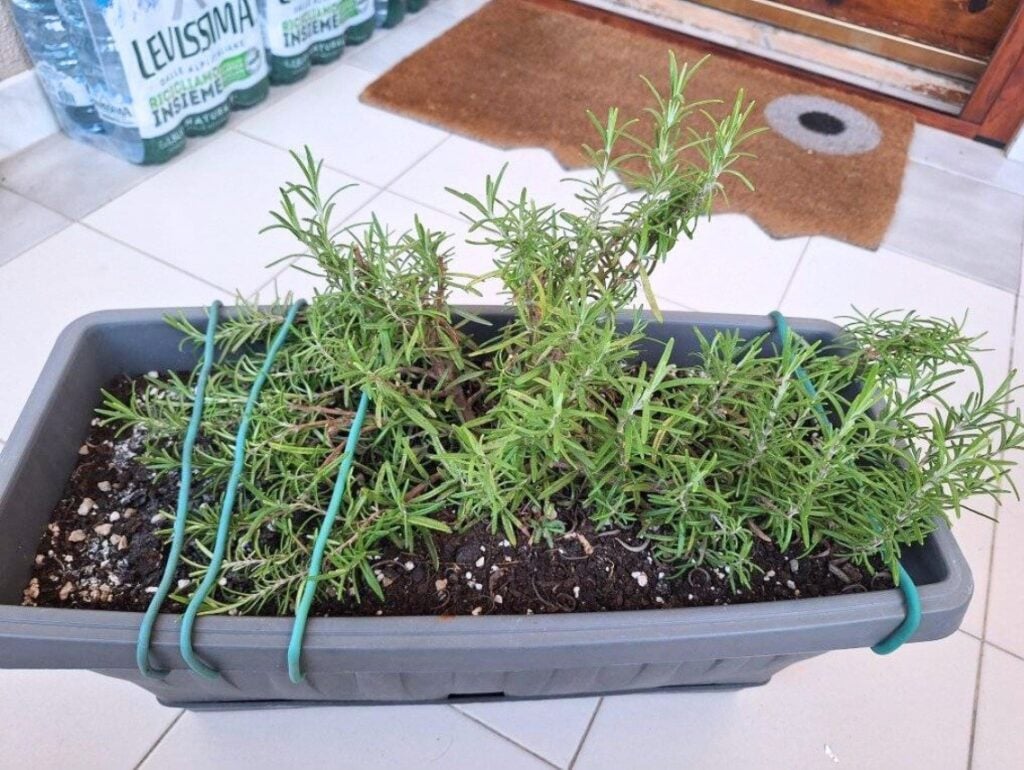
Perennial herbs are often slower from seed, and rosemary in particular is not exactly speedy.
February gives them time to develop decent root systems before they get moved around.
If seed feels like a headache, cuttings are also great, but seed starting can be fun if the goal is variety and quantity.
Why February works
- Slow starters
- Benefit from a long indoor phase
- Great candidates for pot growing too
7. Brassicas for early transplants
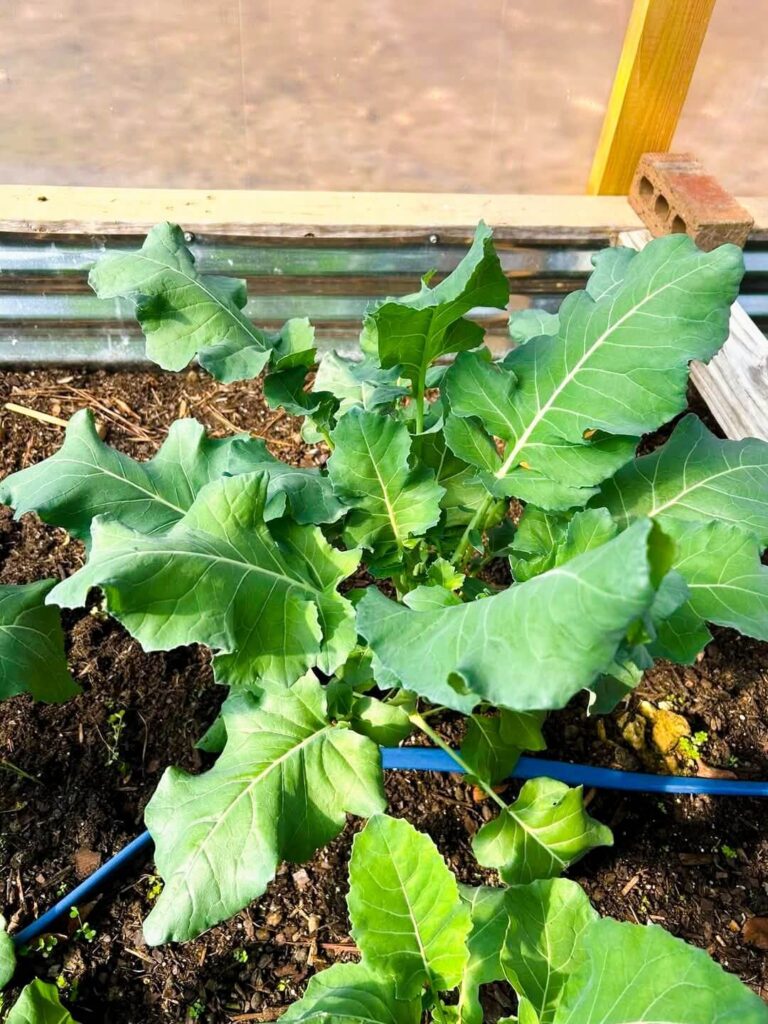
This group includes broccoli, cabbage, cauliflower, kale, collards, and kohlrabi.
If the plan includes an early spring harvest, starting some brassicas in late February can be smart, especially inregions where they can be planted out early.
They do not all need February, but certain varieties and certain climates make it a sweet spot.
Why February works
- Cool season plants that can go outside earlier than warm season crops
- Indoor start avoids pests chewing seedlings to lace outside
- Strong transplants handle spring weather better
PRO TIP: If you’re a beginner, kale is the easiest in this whole group. It easily germinates and forgives mistakes.
8. Lettuce and spinach for early indoor trays
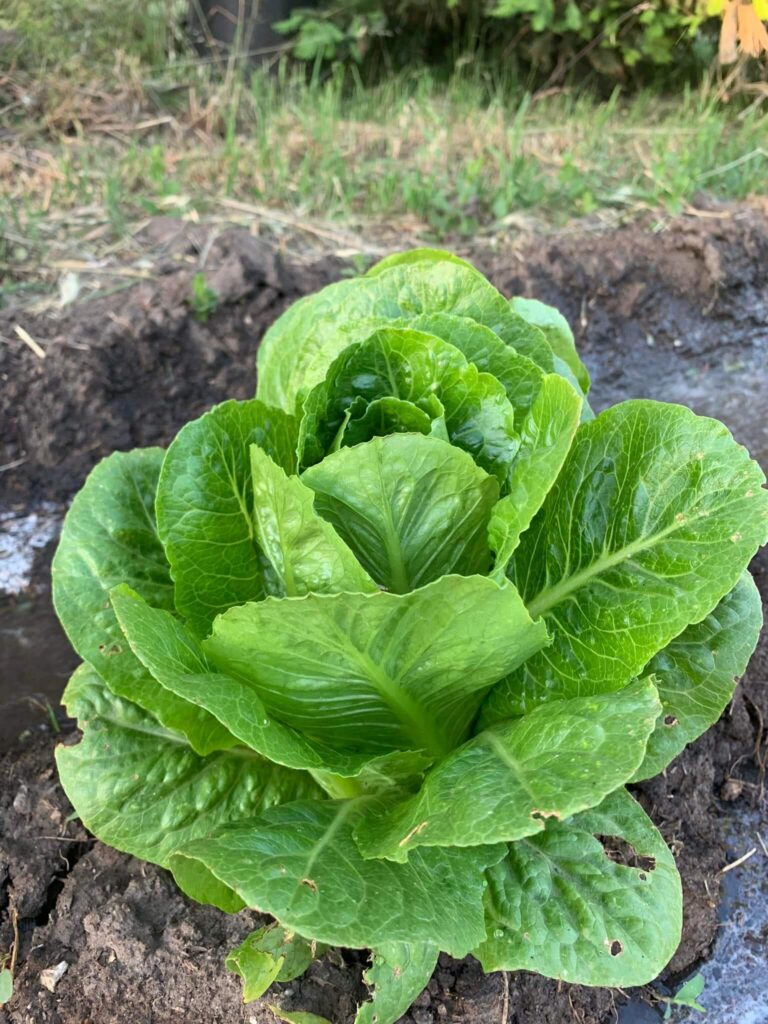
This depends a lot on setup. With decent lights, lettuce can be started in late February for early transplants or even grown as baby greens indoors.
Spinach is trickier indoors in warm rooms, but it can still work if the space stays on the cooler side.
Why February works
- Quick payoff
- Can be grown as microgreens or baby greens
- Early transplants get a head start before heat arrives
9. Peppers, if the season is short or if earlier harvest is the goal
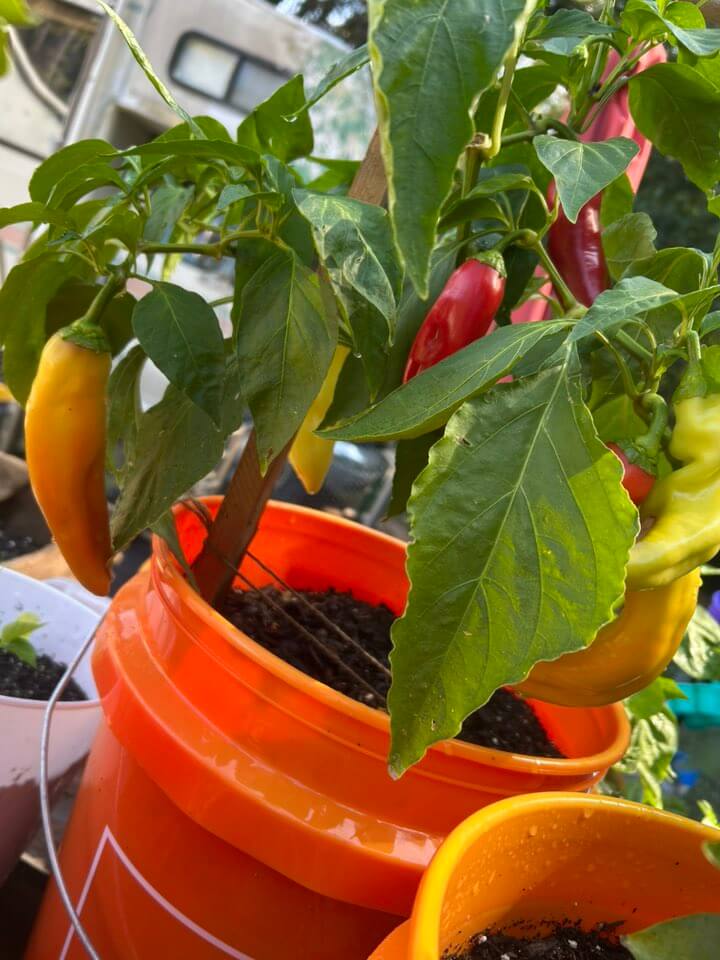
Peppers are famously slow. They germinate and grow slowly, which is why they’re not among my favorites.
However, if the summer is not long, February starting can meanripe peppers instead of green ones in late season.
Use a heat mat if possible. Peppers love warmth to germinate.
If you’re as impatient as I am, take a look at the list of vegetables that grow in just one month.
Why February works
- Long time to reach maturity
- Early start can mean earlier fruiting
- Especially helpful in cooler climates
10. Eggplant, for the same reason as peppers
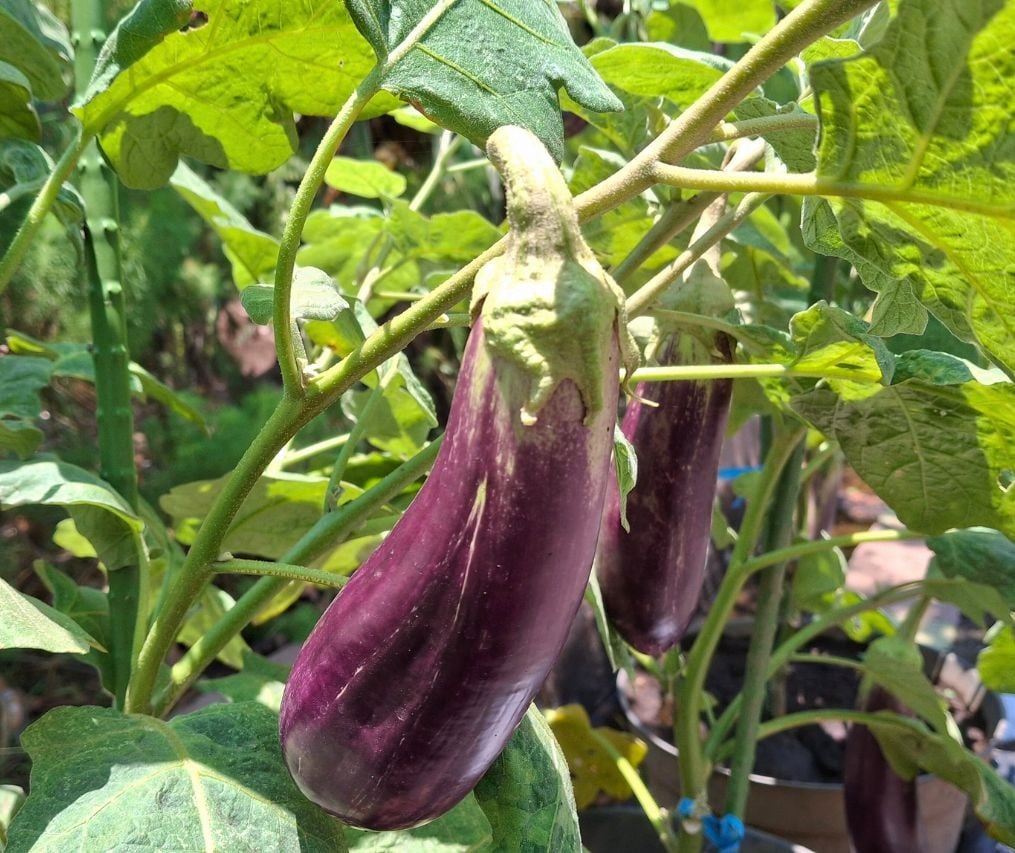
Eggplant can also benefit from a long indoor start.
It wants warmth, bright light, and time. Late February or February is a good window if the aim is strong plants that will fruit well.
Why February works
- Long season
- Needs heat and time
- Strong transplants perform better outside
A simple February seed starting cheat sheet
Here is a general guide. It is not a law. It is more like a helpful nudge.
| Crop | Start indoors | Notes |
|---|---|---|
| Onions | February | Can be trimmed, long season |
| Leeks | February | Cool tolerant transplant |
| Celery | February | Needs light to germinate, slow |
| Celeriac | February | Very slow, start early |
| Parsley | February | Slow germination |
| Rosemary, thyme, oregano, sage | February | Slow early growth |
| Broccoli, cabbage, kale | Late January/February | Good for early spring planting |
| Peppers | Late January/February | Heat mat helps a lot |
| Eggplant | Late January/February | Warmth and strong light needed |
What makes February seedlings succeed
February seedlings can get leggy fast. Indoor light is never as intense as the sun, even with a bright window. A few basics make a massive difference.
Strong light, close to the seedlings
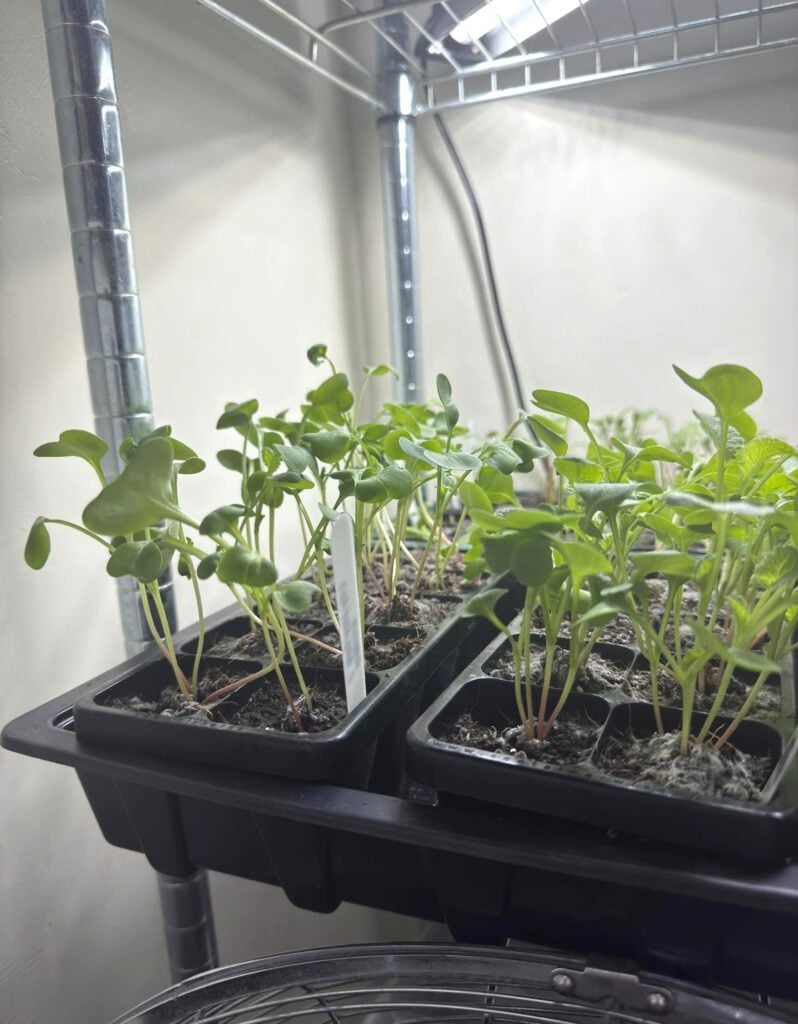
A sunny window helps, but most seedlings need grow lights for sturdy growth. Keep the light close, a few inches above the plants, and adjust as they grow.
Leggy seedlings are basically seedlings asking for better light.
Bottom heat for the warmth lovers
Heat mats are not mandatory for everything, but peppers and eggplant really appreciate them. Germination is faster and more consistent.
Gentle airflow
A small fan on low can help prevent fungus issues and encourages stronger stems. Nothing intense. Just a soft breeze.
Watering that stays boring and consistent
The goal is evenly moist, not soaked. Letting trays swing from swamp to desert creates weak roots and many other problems.
Bottom watering can help, especially once seedlings are established.
Long-lasting labels
Use something that does not fade. Pencil on plastic labels works better than most markers. I learned this after a tray became the mystery salad mix.
The most common February mistake
You may have noticed that I haven’t mentioned the kings of the garden: tomatoes.
It is tempting, but tomatoes grow fast once they get going. In many climates, February tomatoes turn lanky indoors.
They usually do better started later, often in late February or March depending on the last frost.
Peppers and onions are the ones that truly love early attention. Tomatoes mostly want patience.