
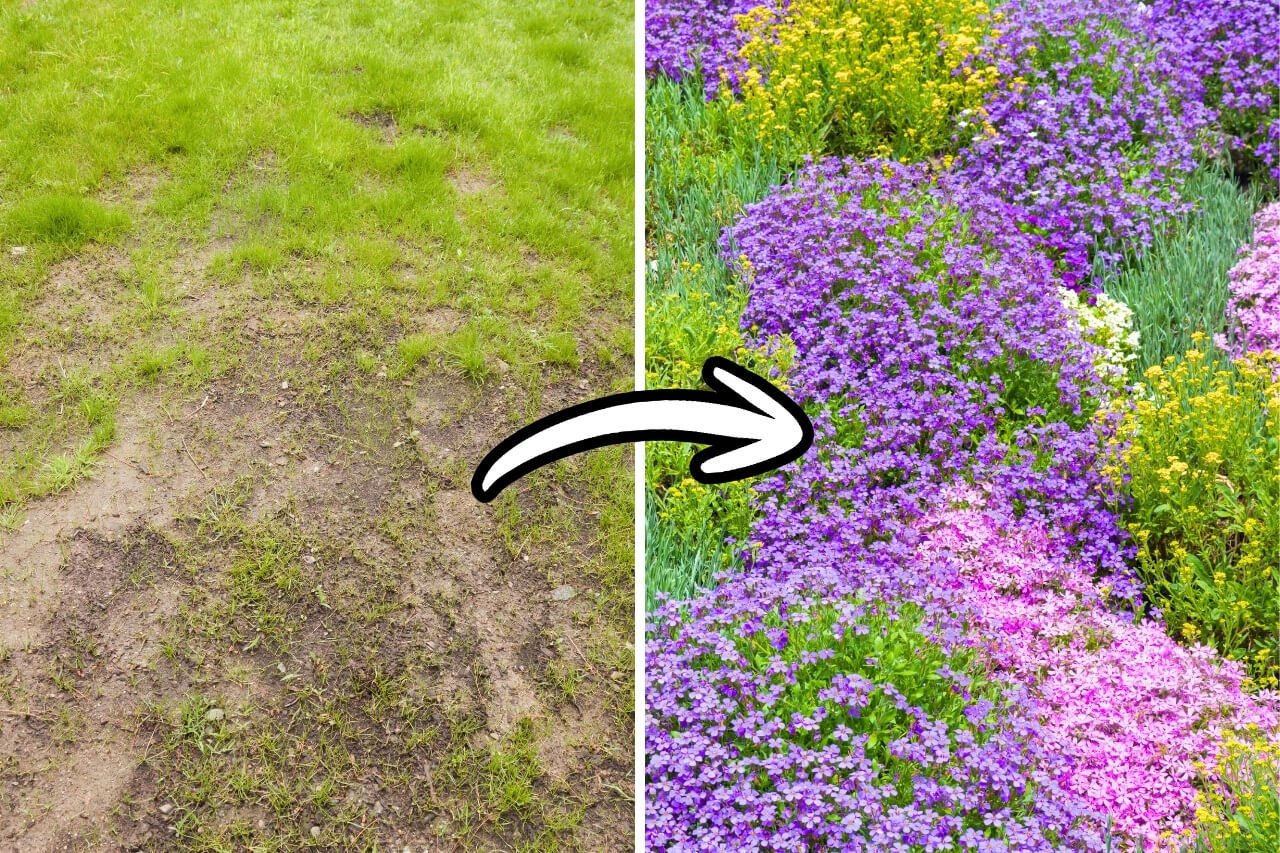
I always like to say that groundcovers are the heroes of a garden. They’re the plants that quietly handle the messy jobs.
They cover the bare soil while smothering weeds and, at the same time, softening the edge of a path. Hiding that awkward patch where nothing wants to grow.
And honestly, once I started using them on purpose, my garden got easier overnight.
Less weeding, fewer empty spots, more of that lush, finished look that makes people assume I’m way more organized than I actually am.
So here are 10 groundcover perennials you should consider, with the stuff that actually matters in real life: where they do well, how they behave, and a couple of little things I’ve learned the hard way.
1. Creeping Thyme
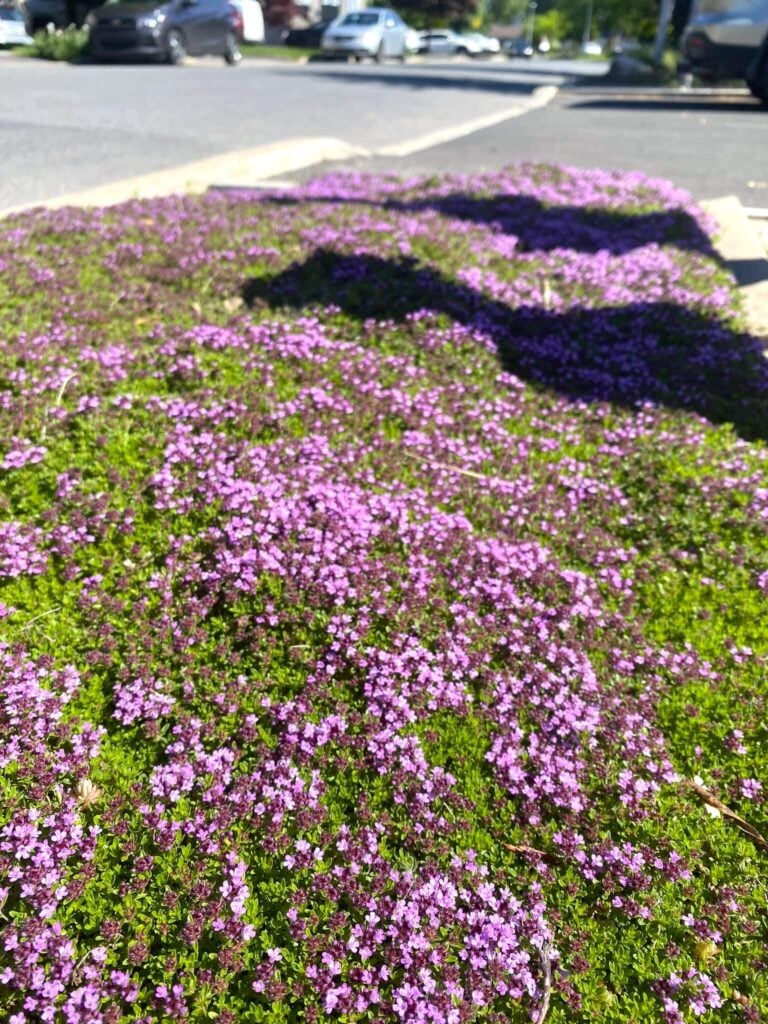
If I could only pick one groundcover for a sunny spot, creeping thyme would probably be the best choice.
It stays low, smells amazing when brushed, and blooms with tiny flowers that bees absolutely lose their minds over.
It’s also one of those plants that looks like it’s high maintenance, but it’s really not. It only needs sun and decent drainage.
Best for: Full sun, between stepping stones, dry areas
Quick note: Don’t overdo it with the water. That’s where people mess up.
2. Sedum
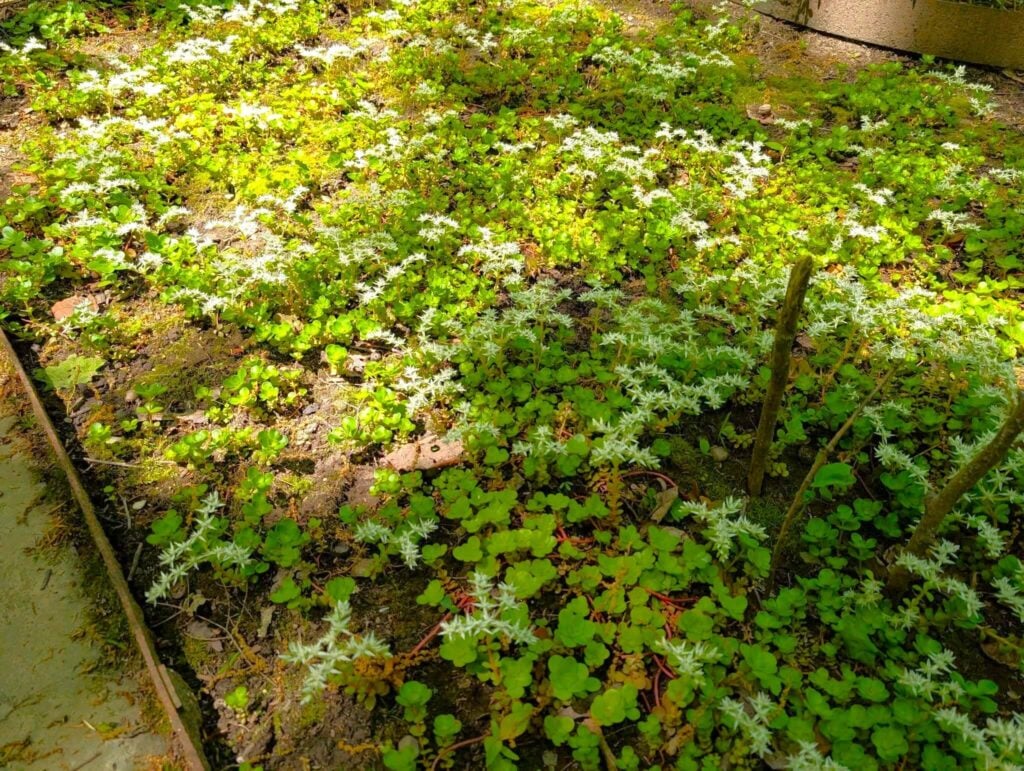
Sedum is basically the forget it exists plant. In a good way.
It’s tough, drought-tolerant, and comes in so many colors and textures.
Some spread like a carpet, some make little mounds, and most of them just keep trucking through heat like it’s nothing.
Best for: Hot sunny spots, rock gardens, slopes
Quick note: The more sun it gets, the prettier and tighter it stays.
3. Ajuga
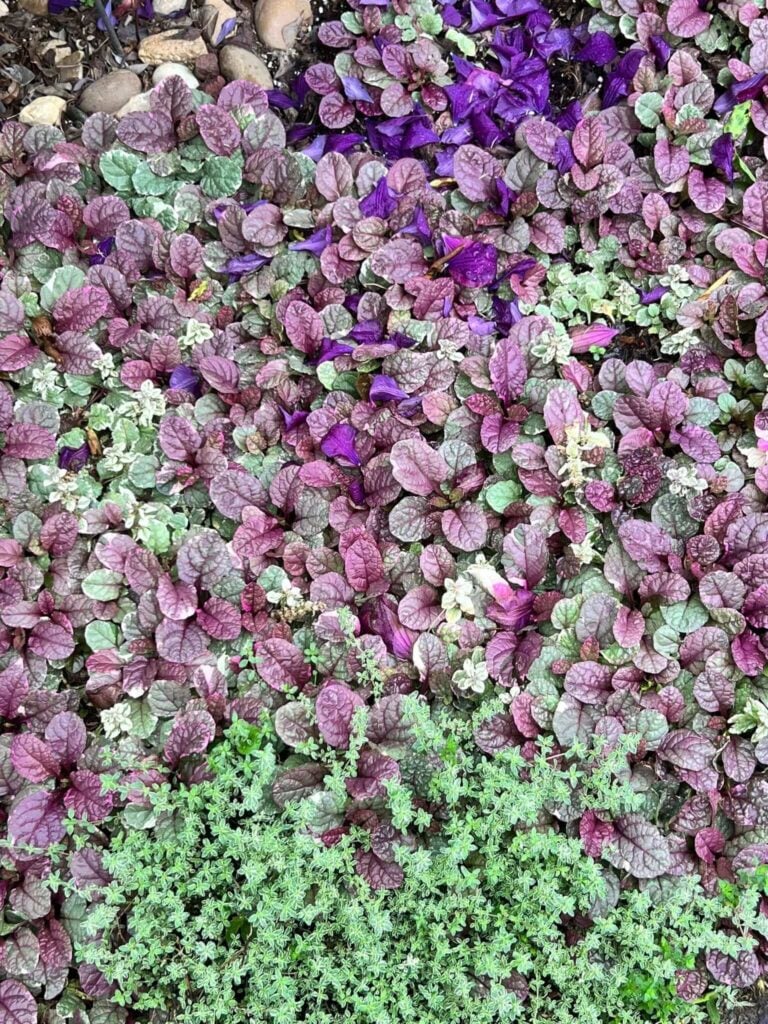
Ajuga is a good choice if you want quick and easy ground cover.
It spreads fast, fills gaps, and gives you those shiny leaves in green, bronze, even purple, plus blue flower spikes in spring.
It’s especially nice where grass refuses to grow.
Best for: Part shade, under trees, tricky spots
Quick note: It can spread a lot. I love it, but I also keep an eye on it.
4. Creeping Jenny
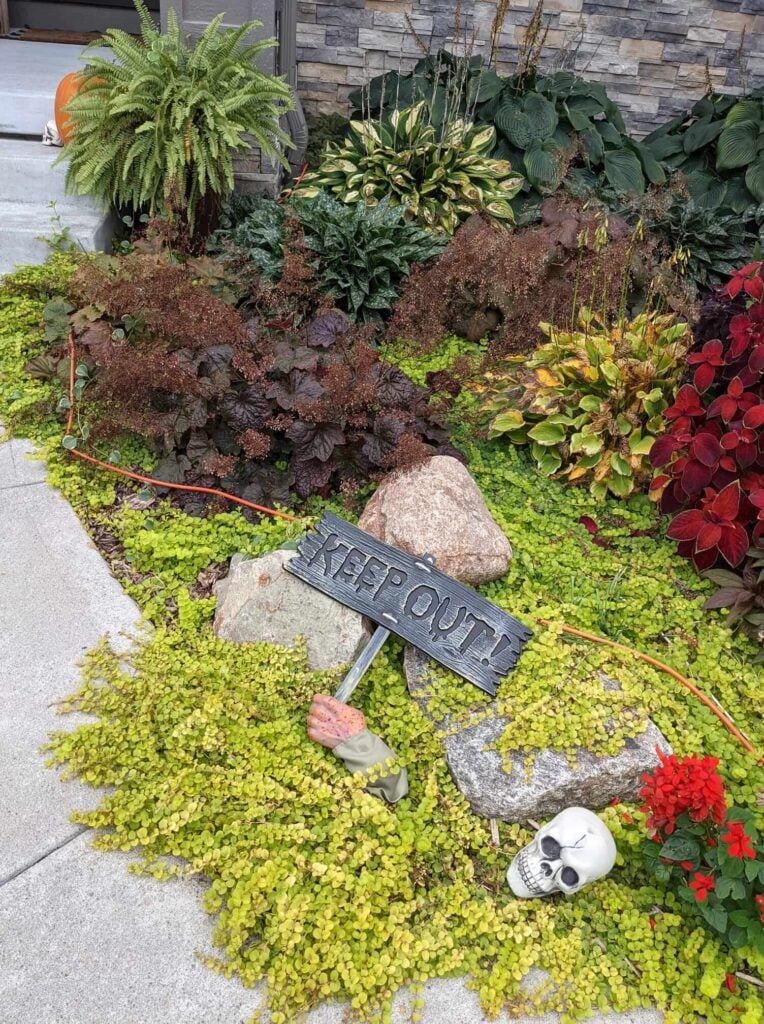
I’d choose Creeping Jenny if you’re looking for something bright. The golden varieties are perfect for that.
It’s amazing in pots too, spilling over edges, but as a groundcover it shines in moist areas where other plants get sulky.
It’s also one of those plants that makes everything around it look more designed.
Best for: Moist soil, part sun, around ponds, containers
Quick note: It can run. Great when you want that. Annoying when you don’t.
5. Vinca Minor
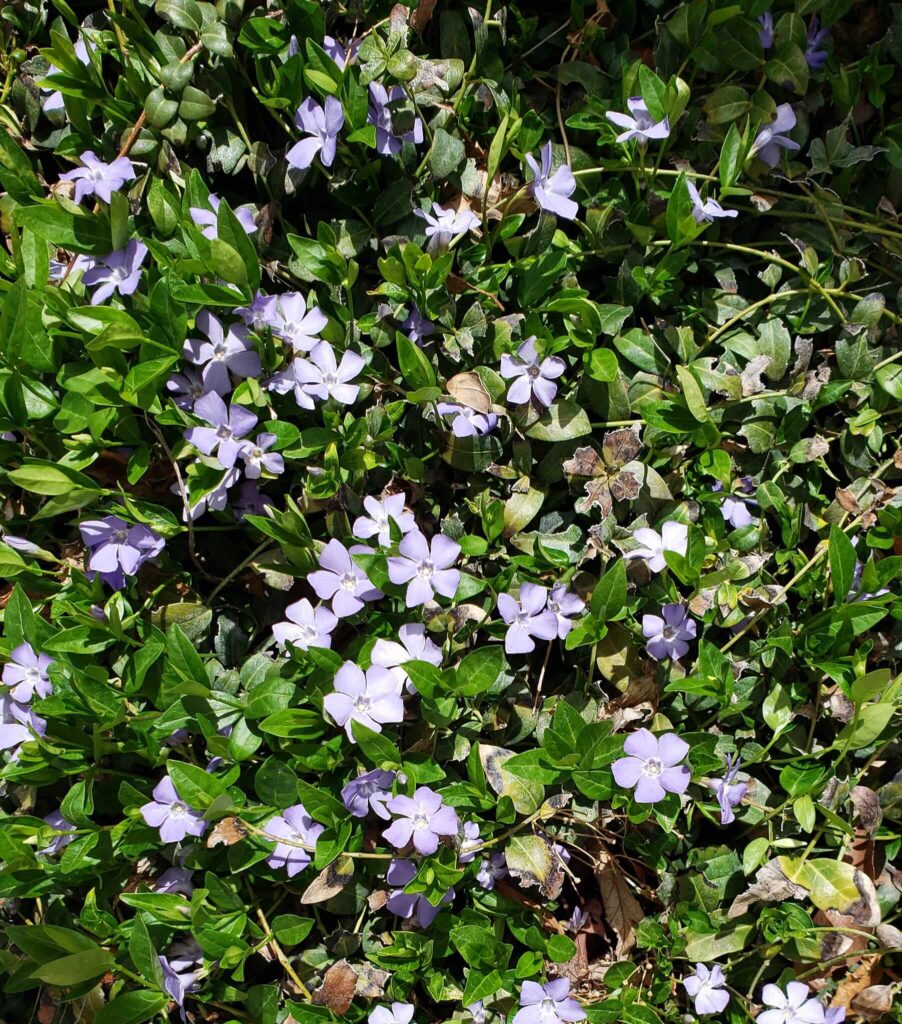
Periwinkle is a classic for a reason. It spreads, it stays evergreen in many climates, and it gives you those sweet little purple or blue flowers.
If you have shade and you want something dependable, this is a strong option.
Consider that it’s not that flashy, it’s just reliable. And sometimes that’s exactly what a garden needs.
Best for: Shade to part shade, under shrubs
Quick note: It can be vigorous. Use it where you want coverage, not where you’re trying to protect delicate plants.
6. Sweet Woodruff
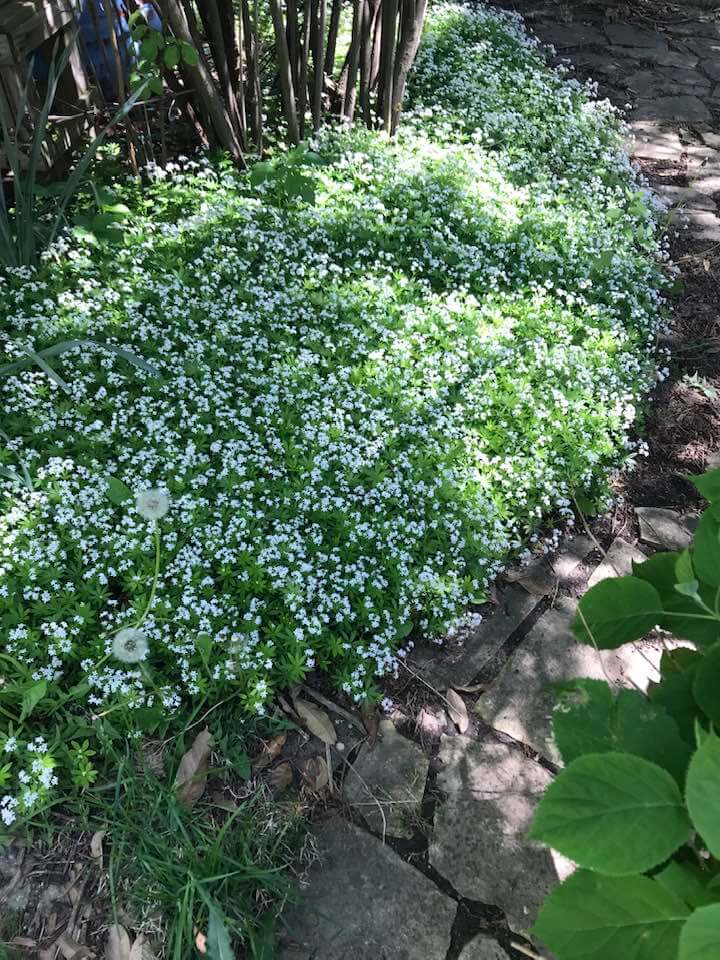
This is one of my quiet favorites. It’s not loud, and it’s not dramatic. It just makes shady spots feel soft and cozy, like a naturally occurring woodland garden.
It has whorled leaves, tiny white spring flowers, and it forms a gentle carpet.
I’ve had it in a shady corner where nothing else looked happy, and it just settled in like it belonged there.
Best for: Shade, woodland style gardens, under trees
Quick note: Likes consistent moisture, especially while establishing.
ALSO READ: Vegetables That Grow Well in Shady Gardens
7. Lamium
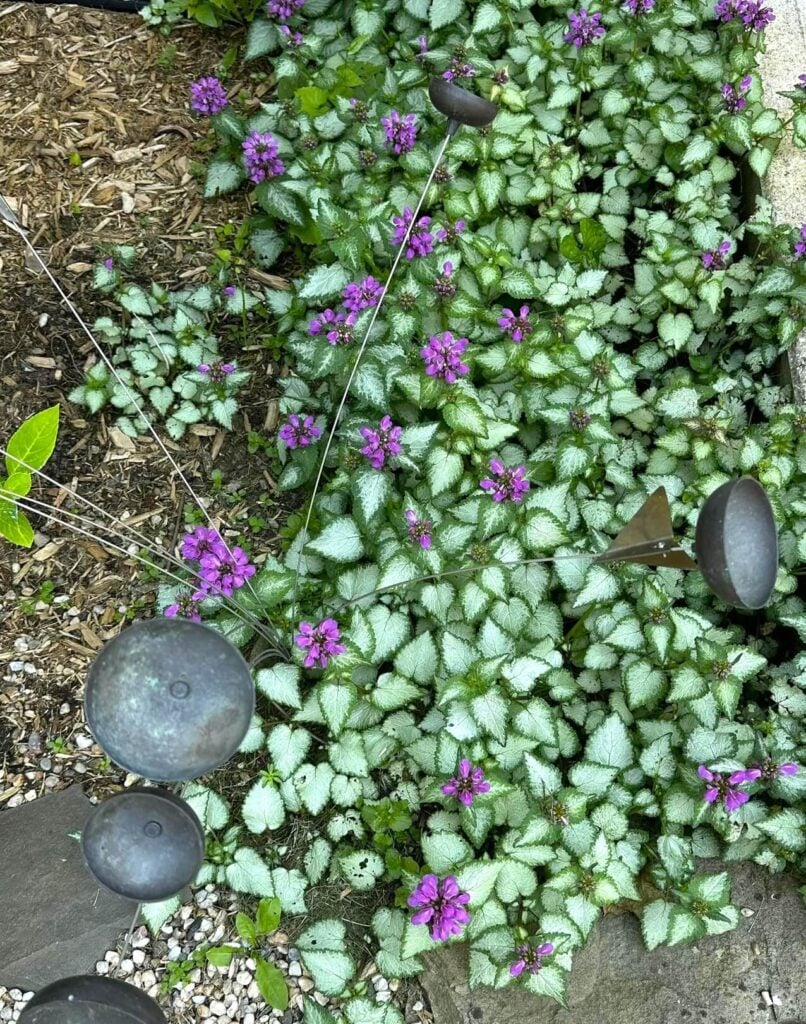
The name is unfortunate, but the plant is great.
Lamium is one of the best groundcovers for shade with bright and variegated leaves that basically glow.
It also flowers, usually in pinks or purples, and it’s surprisingly forgiving.
Best for: Shade to part shade, brightening dark corners
Quick note: Can handle a bit of drought once established, but looks best with regular moisture.
8. Creeping Phlox
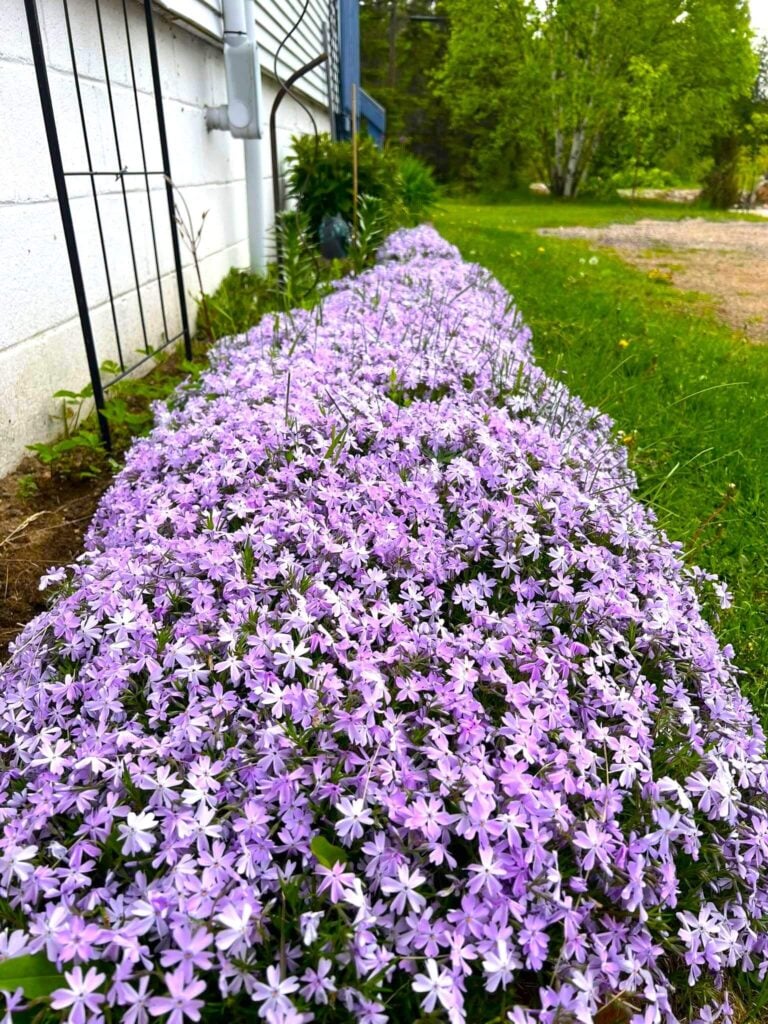
I love Creeping phlox because it acts as an evergreen groundcover for all year, but in spring it goes completely wild, and becomes like a living confetti carpet.
It’s perfect on slopes, along borders, or spilling over rocks.
Best for: Full sun, slopes, rock edges
Quick note: Trim lightly after blooming if it starts looking messy.
9. Hellebores
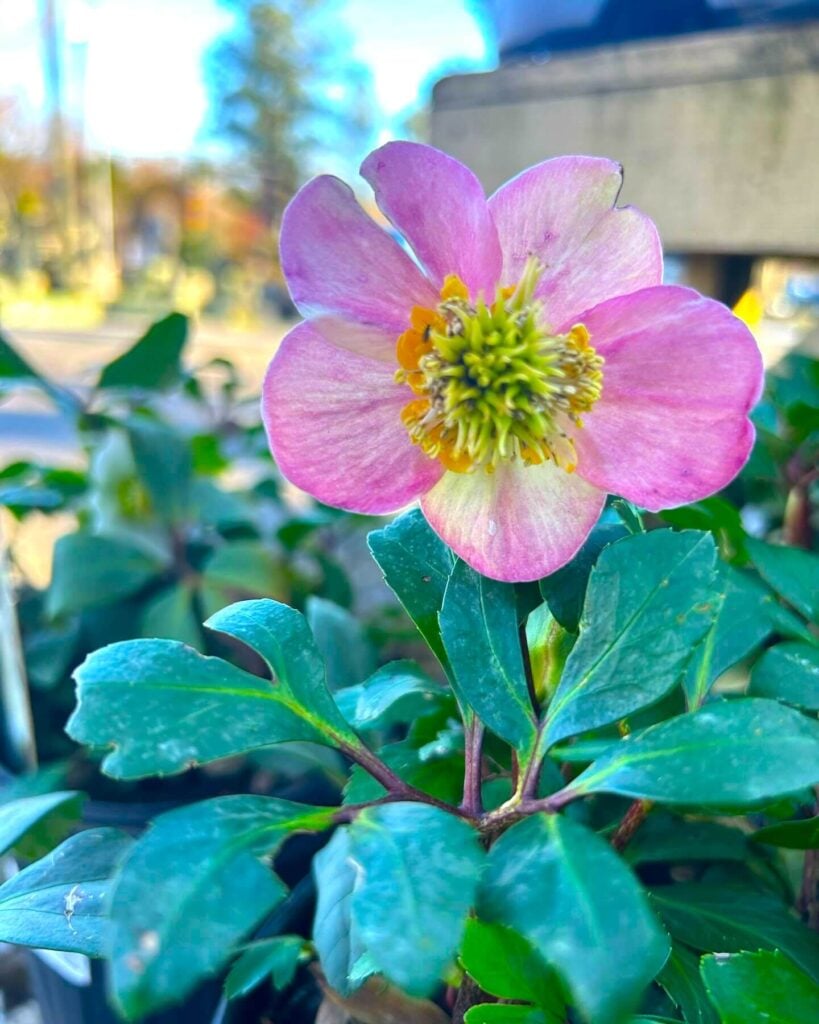
Hellebores are not the usual carpet groundcover but form clumps and slowly expand, and they do something magical: they bloom when it’s still cold and gloomy.
Late winter to early spring flowers, often when the rest of the garden is still sleeping.
They cover the ground in shade with leathery leaves, and they look classy without trying too hard.
Don’t forget to have a look at the other plants that grow perfectly well under trees.
Best for: Shade to part shade, under trees, borders
Quick note: They don’t like being moved. Pick a spot and let them settle in.
10. Hardy Geranium
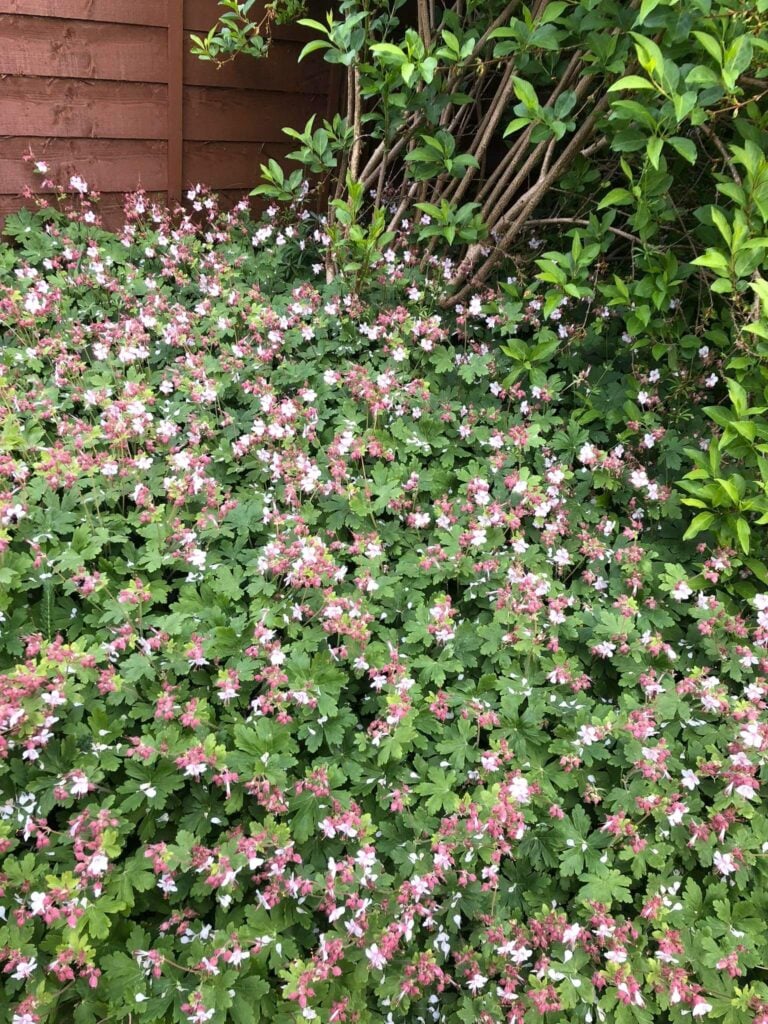
This is one of my absolute favorites for tough spots.
It forms a dense mat, it’s hardy, it smells kind of herby when you brush the leaves, and it blooms nicely too.
Plus, it does that thing where it just fills space without needing constant attention.
Best for: Sun to part shade, dry shade, under shrubs
Quick note: Great “problem solver” plant. I reach for it a lot.
Quick tips for choosing the right one
Now we’ve seen ten different alternatives, but how can you pick the right one?
Well, the main thing you should consider is that picking a groundcover is mostly about matching the plant to the spot. Not forcing the spot to fit the plant.
This table should help you out:
| Area you want to cover | Best groundcover |
|---|---|
| Full sun and dry soil | Creeping thyme, sedum, creeping phlox |
| Shade or part shade | lamium, sweet woodruff, vinca, ajuga |
| Moist soil | Creeping jenny, sweet woodruff |
| Slopes or erosion areas | Sedum, creeping phlox, thyme |
And keep in mind another thing as well. Groundcovers are amazing, but some are very enthusiastic.
If you’re planting near delicate perennials or a small, tidy border, pick the slower, clump forming options.
I’ve written a specific guide with the plants you should never grow in your garden, check it out to avoid very common mistakes.