
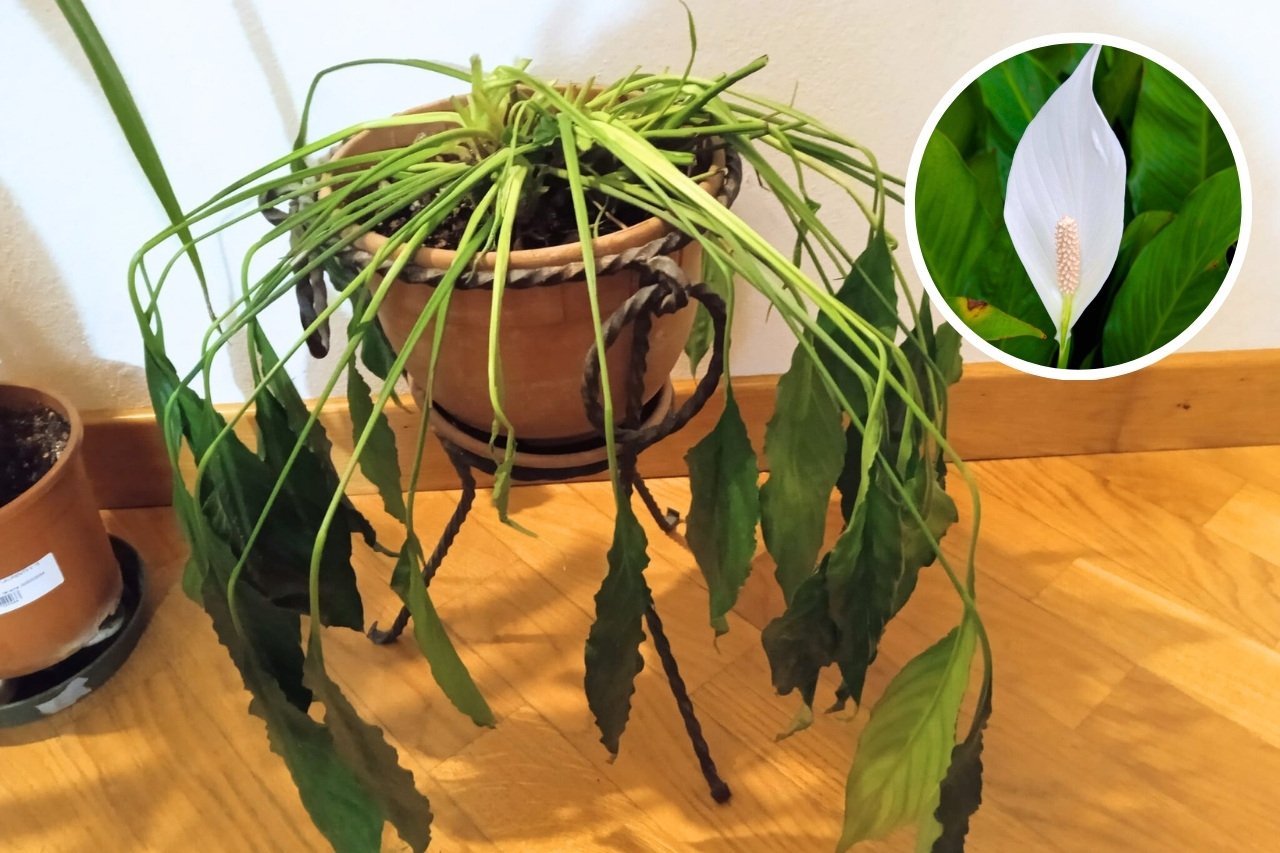
Peace lilies always look so classy and elegant, and I think that tricks people into thinking they’re totally effortless.
Let me be honest, they are pretty forgiving. But they’re also dramatic in a very specific way.
I’ve kept peace lilies on and off for years, and I’ve made basically every mistake on this list at least once.
But I don’t want you to do the same, so here are the biggest mistakes to avoid!
1. Watering on a schedule instead of watering the plant
This is the classic mistake. I say this every time, and I know it may sound repetitive, but I assure you that it’s one of the most important things.
Some people are like, well it’s Wednesday, time to water. Meanwhile, the soil is still damp, and the roots are quietly suffering.
Peace lilies like consistent moisture, but not constant sogginess.
As usual, the easiest rule is to check the top inch or two of soil with a finger. If it feels dry, water. If it still feels cool and damp, wait.
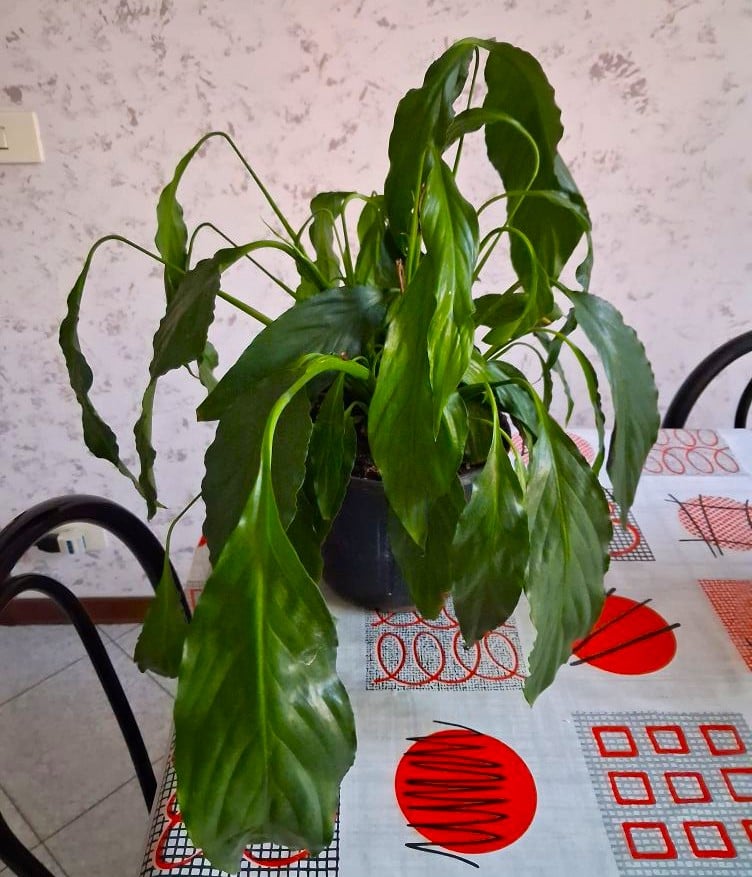
PRO GARDENER: Peace Lilies are famous for drooping when they’re thirsty. They can look half-dead, then bounce back as if nothing had happened.
2. Letting it sit in water
Another mistake peace lilies really don’t forgive long term, it’s wet feet.
What usually happens is the pot has a saucer, you water the plant, it drains, and then it just sits there for hours or days.
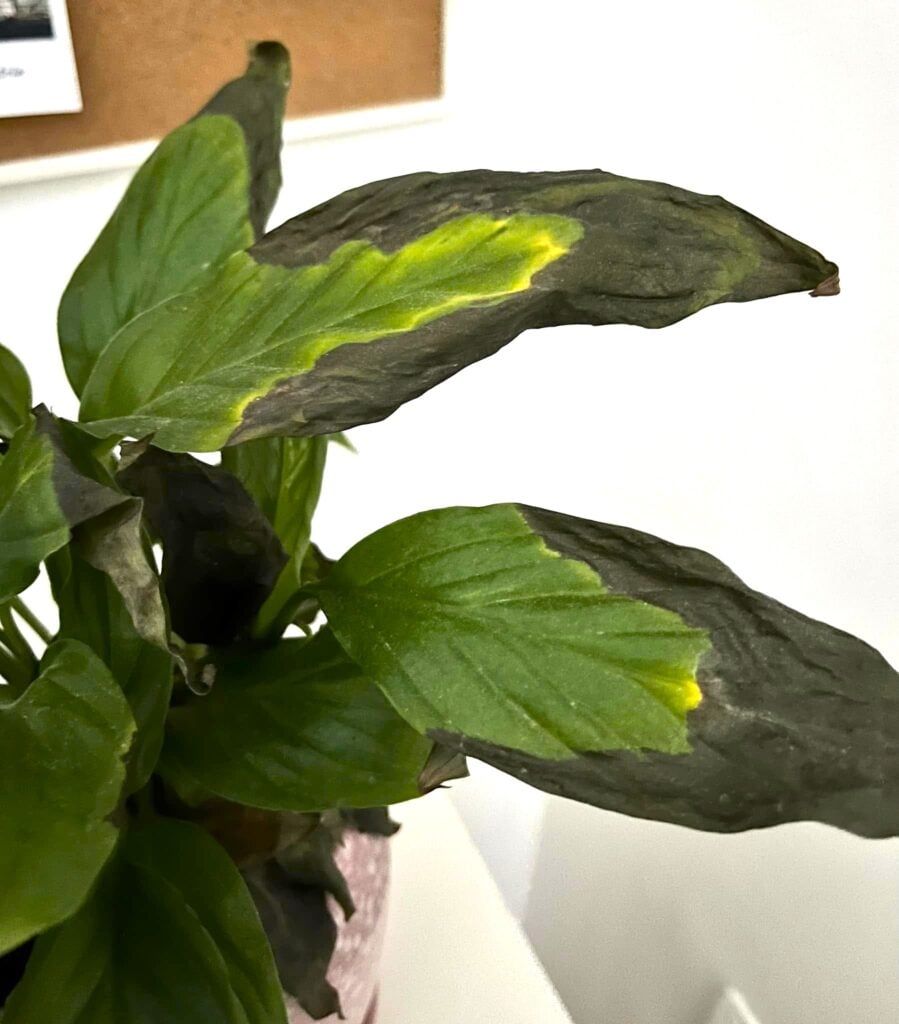
But that pooled water leads to root rot fast, especially if the plant is in lower light and drying out slowly.
After watering, I always empty the saucer within 10 to 15 minutes.
Oh, and also, if the pot is inside a decorative cover pot, double-check that there isn’t a hidden puddle at the bottom.
3. Using a pot with no drainage holes
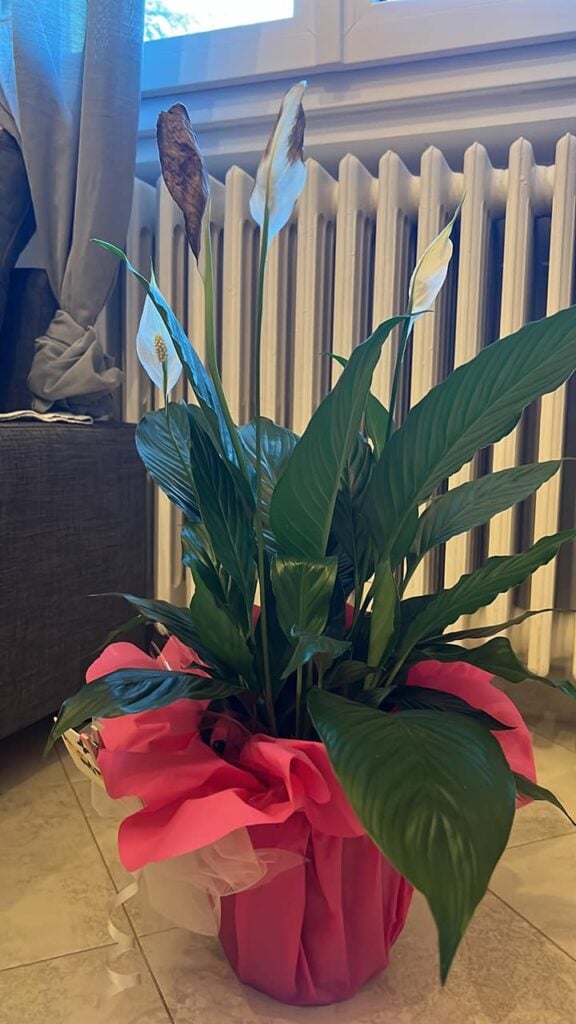
I know some pots are cute, especially the ceramic and glossy ones. But a pot with no drainage is basically the worst for a peace lily.
Can it survive for a while? Sure. Plenty of plants survive for a while. But eventually you get sour smelling soil, yellowing leaves, and a plant that looks tired no matter what you do.
If the pot has no drainage, you should treat it like a cover pot only. Keep the peace lily in a plastic nursery pot with holes, then drop that inside the pretty one.
It’s not as aesthetic when you explain it, but it works.
4. Putting it in harsh sun because it’s a houseplant
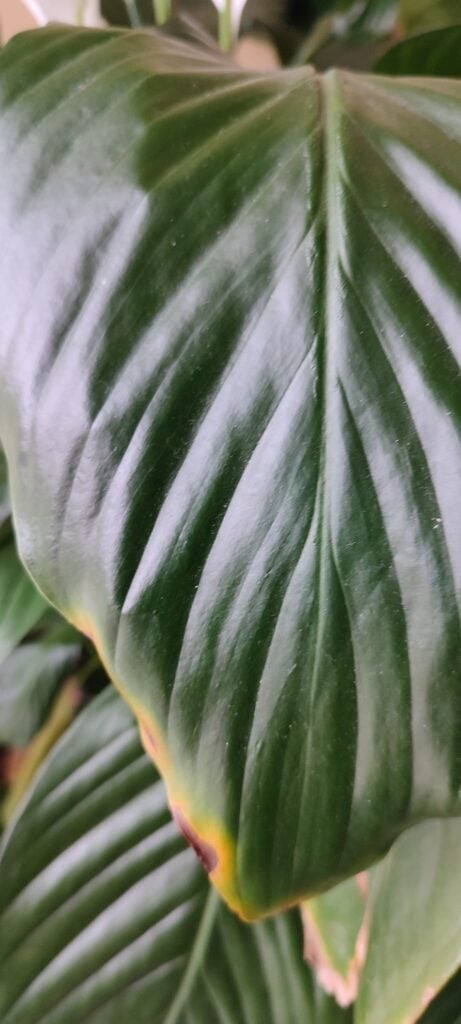
Peace lilies are not really direct sun lovers. They’re more like shade lovers who like bright light if it’s gentle.
Too much direct sun can scorch the leaves, especially near a window with strong afternoon light.
You’ll see brown crispy patches that look kind of like someone took a lighter to the leaf edges.
Bright indirect light is the sweet spot. A few feet back from a sunny window, or near a window with sheer curtains.
They can handle lower light, too; they’ll grow more slowly and flower a bit less, but they’re on the list of plants suitable for rooms with no windows or low light.
5. Ignoring what the leaves are telling you
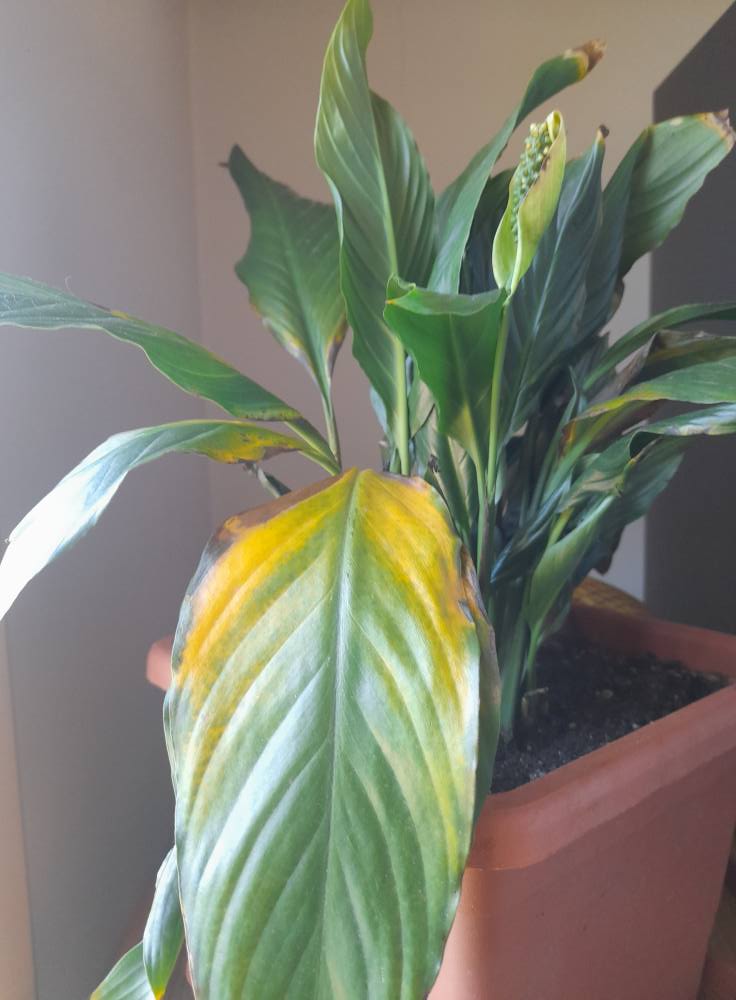
Fortunately, unlike other plants, peace lilies are quite expressive.
They let you know fairly quickly when something is wrong, so you can take action straight away.
A few quick “translations” that have saved me a lot of time:
- Drooping leaves: usually thirsty, sometimes root issues
- Yellowing leaves: often overwatering, sometimes old leaves naturally aging
- Brown tips: could be dry air, inconsistent watering, or mineral buildup
- No flowers: usually not enough light, or not enough nutrients
The mistake is seeing any problem and immediately doing the wrong fix, usually more water.
6. Using very hard water and never flushing the soil
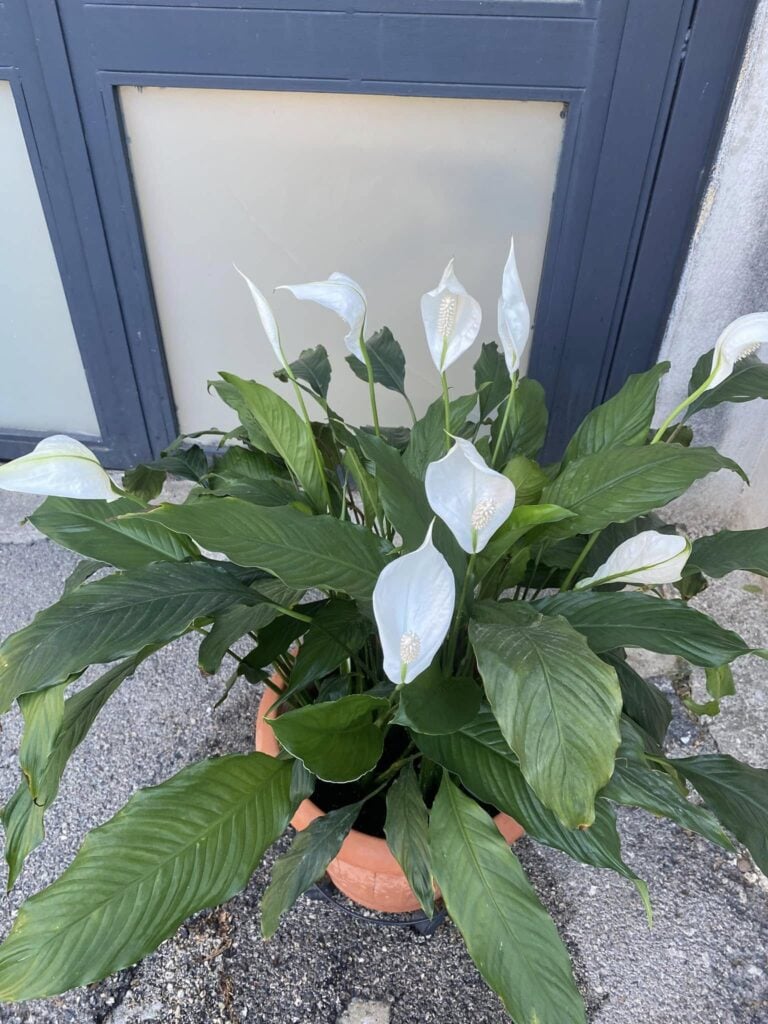
On the other hand, this one is sneaky because the plant can look fine for months, then you start seeing crispy brown tips and a bit of wilting.
Peace lilies can be sensitive to minerals and salts from tap water and fertilizer. If the water in your area is hard, it builds up in the soil over time.
If possible, use filtered water or rainwater sometimes and once in a while, deeply water until a lot runs out the bottom, to flush excess salts.
And please, don’t over fertilize! They’re light feeders and really don’t need much to stay happy.
A weak dose every few weeks during the growing season is more than enough.
7. Repotting too often, or never repotting at all
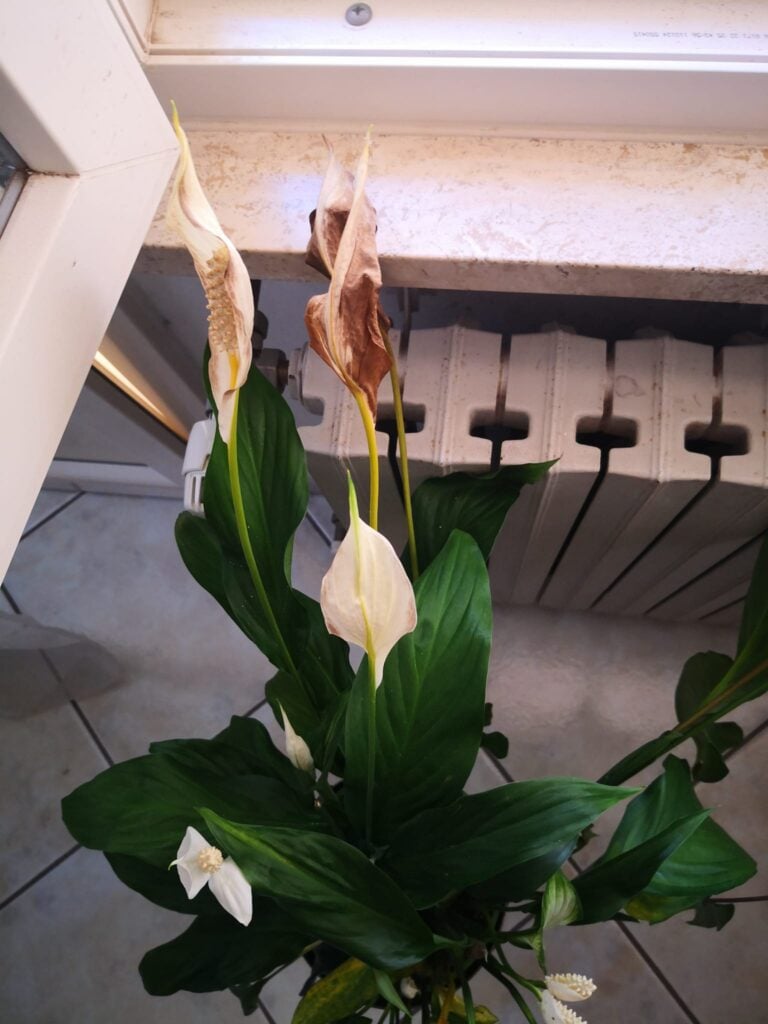
Unlike other plants, Peace lilies can be weirdly tolerant of being a little root bound.
However, if it’s extremely packed with roots, it may dry out crazy fast, stop growing, or look stressed no matter how much you water.
On the flip side, repotting into a huge pot can keep the soil wet too long and cause root rot.
My recommendation? Go up one pot size at a time. Just a little bigger, with fresh mix that drains well.
And of course, you can keep the plant indoors. On top of that, there are actually 7 positive things peace lilies do that many people don’t know about. It’s definitely worth taking a look.
Just be careful if you have pets. Chewing it can be slightly toxic. I explained this in more detail in the article about the plants you should not keep in your home (in certain situations).