

Alright, I’ll admit it. I don’t always use my moka pot. Sorry, nonna. The drip machine is temptingly convenient.
However, after a few months of using my drip brewer, I noticed I was tossing away way too many filter papers. And if my nonna hates anything more than weak (her words, not mine) coffee, it’s unnecessary waste.
So, I decided to put these coffee-laced filters to good use.
I thought about various possibilities for reuse, then I remembered a guide I had seen years ago, in which they were used to line flower pots with them.
So today, I’ll explain why the coffee filter makes a perfect pot liner and how to use them.
1. It Retains Just Enough Moisture
Your typical coffee filter is only slightly absorbent. It’ll hold some moisture from each watering, but the amount of water it’ll retain isn’t really enough to oversaturate the soil.
The result? A reduced need for frequent watering AND a lower risk of root rot.
2. It Reduces Soil Loss
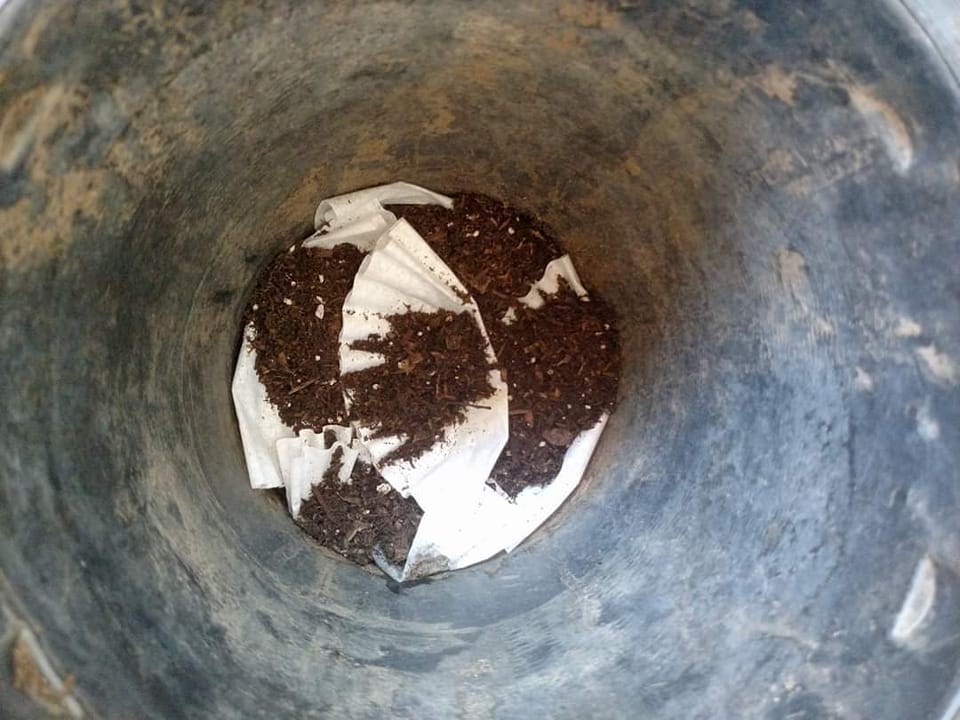
Drainage holes are a must-have for flower pots. Otherwise, the root will sit in with excess water and rot.
But the issue here is that these holes are sometimes a bit too large. Every time you water your plant, you risk “washing” away some of the soil down the drainage holes.
And since the soil holds both water and nutrients, your blooms will suffer.
To tackle this issue and reduce waste you can follow two strategies:
- Repot more frequently (major drawback: you risk stressing the plant each time)
- Use a liner to keep the soil in place
I don’t know about you, but the second choice sounds way more convenient to me.
Of course, coffee filters make great liners simply because they let the water out, but not the soil.
3. It Makes Repotting Easier
At some point, repotting will no longer be optional. You don’t want to end up with a stunted, root-bound houseplant, after all.
And when it’s time to repot, you’ll be thankful you lined the old pot with a filter.
This way, you just pick the paper by the edges to lift the whole thing out of the planter. No fuss. No Mess.
4. It Keeps the Slugs Away
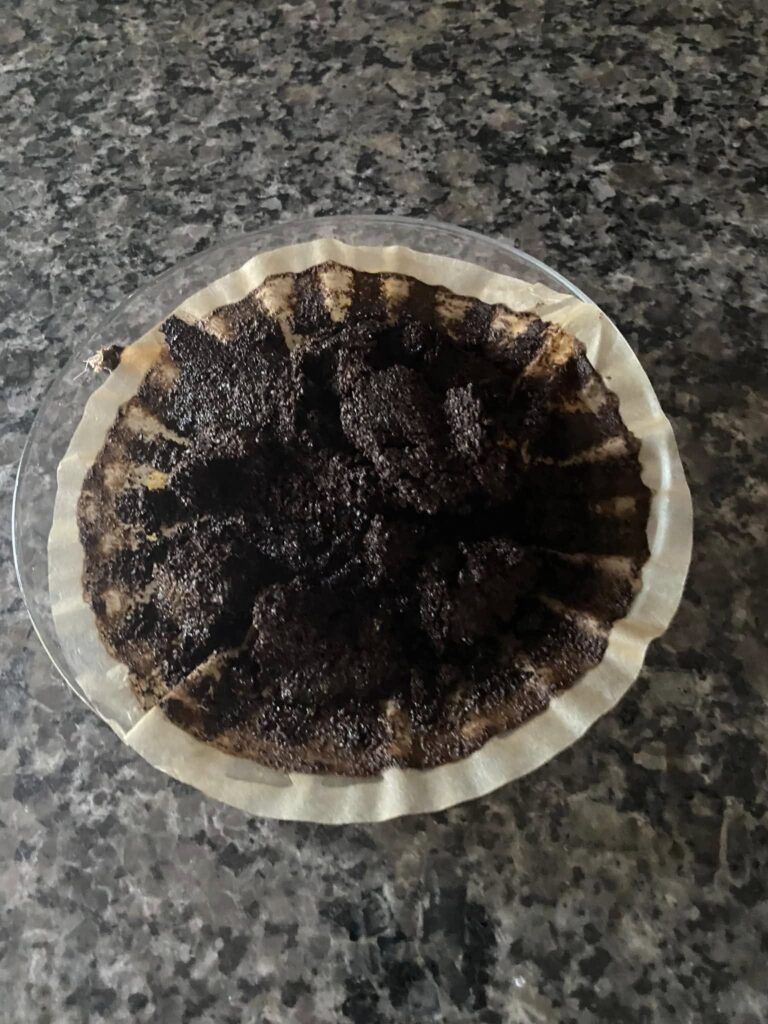
The coffee filter won’t just keep the soil inside the planter. It can also keep slugs out of your outdoor flower pots.
At the very least, it’ll make it harder for these slimy creepers (as you can imagine, I am not one of those gardeners who love insects) to make their way into the pot.
PRO TIP: If you need more protection against slugs, consider moving the pot to a not-so-shady spot in your garden. Slugs love shady areas (which was an unfortunate issue for my brassicas!).
5. It Beats Gravel
Now, I know what some of you are thinking: “a layer of gravel at the bottom of the pot will get the job done. So why bother with coffee filters?”
Well, as it turns out, the idea that gravel improves drainage has been debunked. On the contrary, it impedes the flow.
Plus, gravel can shift and clog the drainage holes altogether. So, that’s one point for the coffee filter.
Gravel will also take up space in the pot, leaving less room for your flowering plant’s root system to thrive and expand.
Oh, and adding a layer of rocks at the bottom will make your pot unnecessarily heavy. If you need to move the flowers in and out of sunlight frequently, you’re only making your life harder.
As far as I’m concerned, that’s 3–0 for the good ol’ coffee filter.
6. It’s Cost-Effective and Eco-Friendly
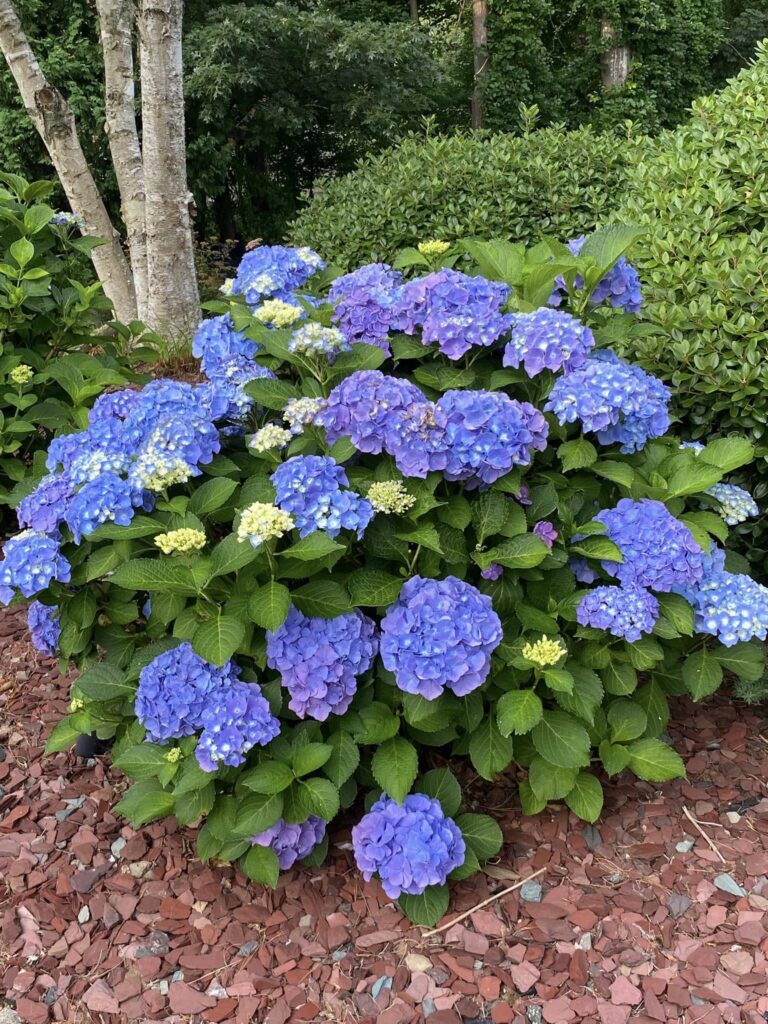
Technically, you could buy brand-new filters and line your pots with them. But why would you do that when a used one will do just fine? No, scratch that. I actually believe that used filters are superior.
It’s no secret that coffee (as grounds or diluted brews) can be used around the garden.
Grounds, for instance, add a nutritional boost to the potting mixes used for nutrient-hungry plants (looking your way, roses). Since it’s slightly acidic, coffee is also good for hydrangeas.
That’s why the traces of coffee in the filter make it even more beneficial than a brand-new one. And, of course, repurposing used filters is a green move in and of itself.
EXTRA TIP
I just want to add one more small thing that may seem insignificant, but it isn’t.
If possible, switch to unbleached coffee filters. They’re better for your potted flowers and the planet!
In addition, remember to have a look at the other kitchen scraps you can use to feed your plants.