
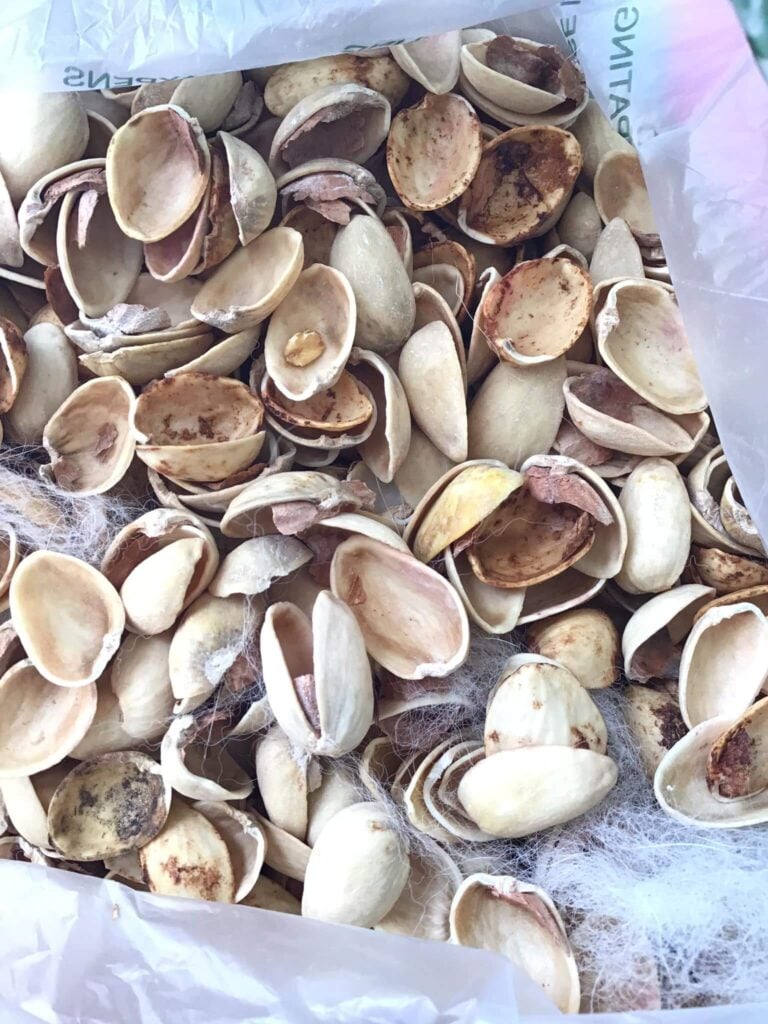
I love pistachios! They are one of my favorite snacks. The problem is that you crack them open, plan to eat a couple, and before you know it, you have a mountain of empty pistachio shells in front of you.
Most people throw them straight into the bin without a second thought. But my grandmother, who had grown up in a modest family and had been taught that nothing should be thrown away, had a way of reusing them too.
She always says: nothing that comes from nature should go to waste. So here are 7 brilliant ways to give pistachio shells a new life.
1. Drainage for Your Pots
If you’re like me and have a bunch of potted plants around the house, you know that proper drainage is crucial.
Without it, roots sit in water, rot sets in, and before you know it, your beautiful plant starts wilting.
Most people go to the garden center to buy pebbles, gravel, or those little clay pellets to put at the bottom of pots. But I’ll tell you a thing: pistachio shells work just as well, maybe even better, and they’re completely free.
I started using them in my larger pots a few years ago, and the results have been unbelievable!
The shells create air pockets that push excess water away from the roots, but still keep some moisture in the soil.
Just place a 1–2 inch layer of shells at the bottom before adding soil.
PRO GARDENER: Before each use, wash the shells thoroughly to remove any salt or flavoring residue. Salted shells can harm plants, so make sure they’re completely clean and dry before use.
2. Pretty and Practical Mulch
Here’s something I learned from experimenting in my own garden: pistachio shells make a truly beautiful mulch.
The light tan color goes well with almost any garden, and unlike wood chips, they rarely fade or get moldy.
Pistachio shells can also suppress weeds, and they help the soil retain moisture during hot summer days. In my Mediterranean climate here in southern Italy, that’s a huge benefit.
I particularly love using them around my succulents and cacti because they look so natural together. I’ll leave a photo above here!
3. A Natural Pest Deterrent
Let’s move on to a use that surprised me quite a bit.
As you know, slugs and snails can ruin an entire crop and are a problem in gardens in many parts of the world.
I also have a dog, so whenever possible, I avoid using chemical products in my home, and I have found an excellent ally in pistachio shells.
The way it works is similar to the eggshells I told you about a while ago. You can crush the pistachio shells and the sharp edges will block slugs and snails.
As always with natural methods, it does not work in 100% of cases, but it does reduce the damage significantly.
The good part is that there’s absolutely no harm to the environment, beneficial insects, or anything else in your garden ecosystem.
Speaking of harmful things, there are 10 Plants You Should Never Grow in Your Garden.
4. Pure Gold for Crafty Projects
I’m not the most artistic person in the world, but I’m sure there’s so much DIYing you can do with pistachio shells.
You can make stunning mosaic art, decorative flowers, jewelry, and, of course, lots of things in the garden, such as decorating plant pots or creating decorative mulch for pathways.
In this case, the possibilities are only limited by your imagination.
5. Eco-Friendly Fire Starters
Now here’s something I discovered completely random on a chilly evening.
I was trying to get a fire started in my fireplace and was running low on kindling. I started looking on Google and found practically nothing among all the items they recommended.
Suddenly, I saw an article recommending pistachio shells, which I fortunately always keep in a glass jar.
To my surprise, they caught flame quickly and burned beautifully!
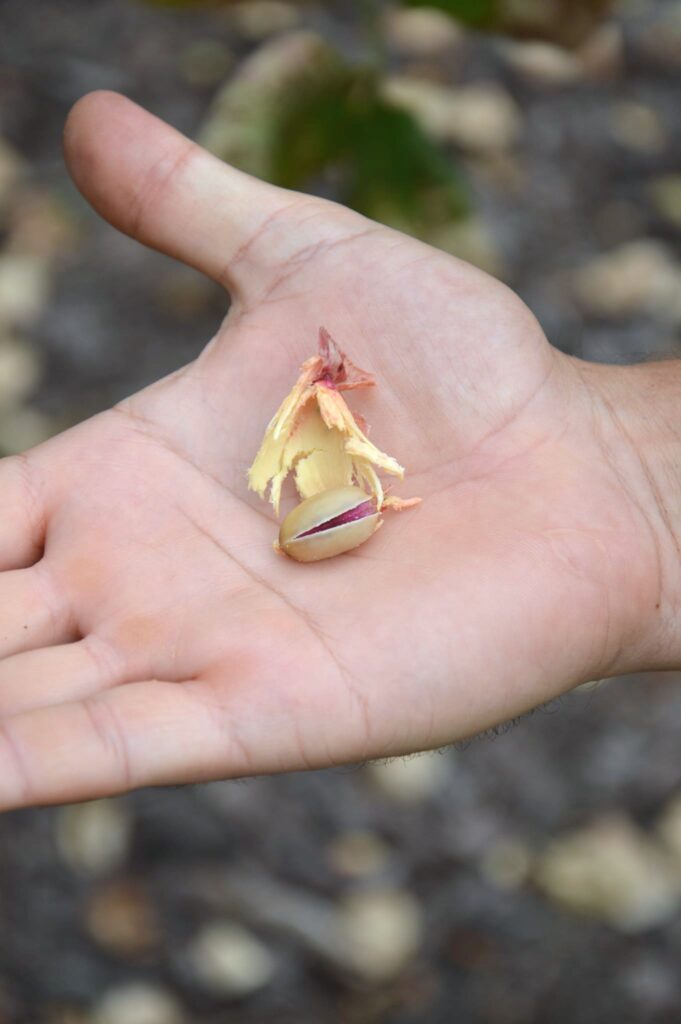
Turns out, pistachio shells contain natural oils that make them quite flammable.
6. Compost Helper
Adding pistachio shells to your compost pile might seem odd at first, but it makes perfect sense once you understand composting basics.
If you’re an expert on this matter, you’ll know that good compost needs a balance of “green” materials (nitrogen-rich) and “brown” materials (carbon-rich).
Pistachio shells fall into the brown category, so they provide carbon that helps balance out all those vegetable scraps and grass clippings.
Now, I’ll be honest. They do take a while to break down. We’re talking months, not weeks. But that’s actually not a bad thing.
In addition, have a look at my guite to compost, it’s very easy even for beginners.
PRO TIP: Remember to crush the shells a bit before adding them to the compost.
7. Natural Pot Fillers
Another very interesting thing, which I didn’t know and learned a few years ago, is that pistachio shells are porous and therefore retain odors very well.
This means you can easily use them as potpourri to freshen up a room or part of your home.
After washing the shells, let them dry thoroughly, then simply spray them with perfume or add essential oils, whichever you prefer.
If you want an even longer-lasting result, you can also soak the shells in your scented solution and then leave them to dry again.
Then you can decorate everything with fresh or dried flowers. I particularly like wild flowers. For example you can use one of the 10 perennials that naturally crowd out weeds.