
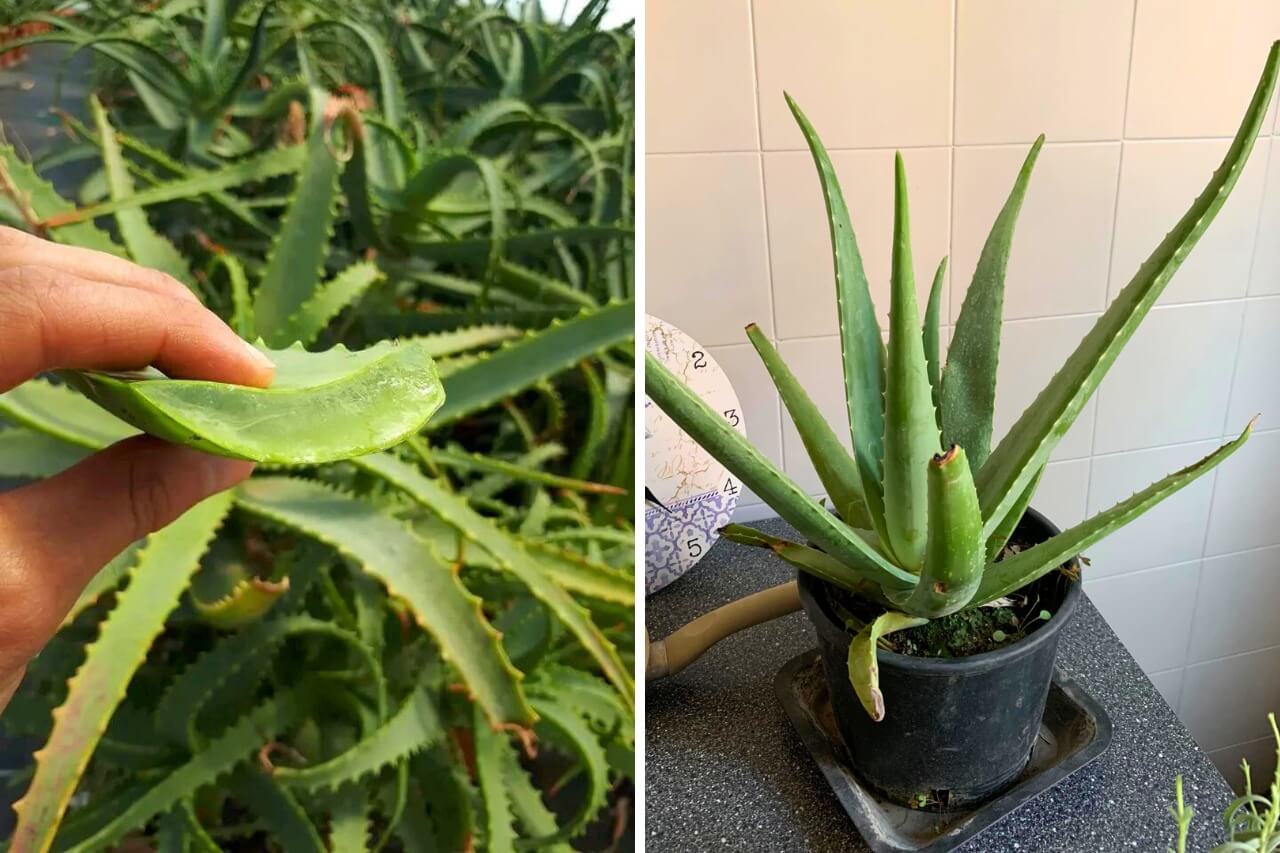
Aloe plants really look like they’re unkillable. You know, they give those tough and spiky desert plants vibes.
However, you’ll be surprised to hear that they’re among the plants I see suffering the most on windowsills.
I’ve had aloe go from “healthy and plump” to “sad and grayish” in one season because I got a little too confident.
The good news is aloe is super forgiving once it’s set up right. Most problems come from a handful of mistakes that almost everyone makes at least once.
Watering it like a normal houseplant
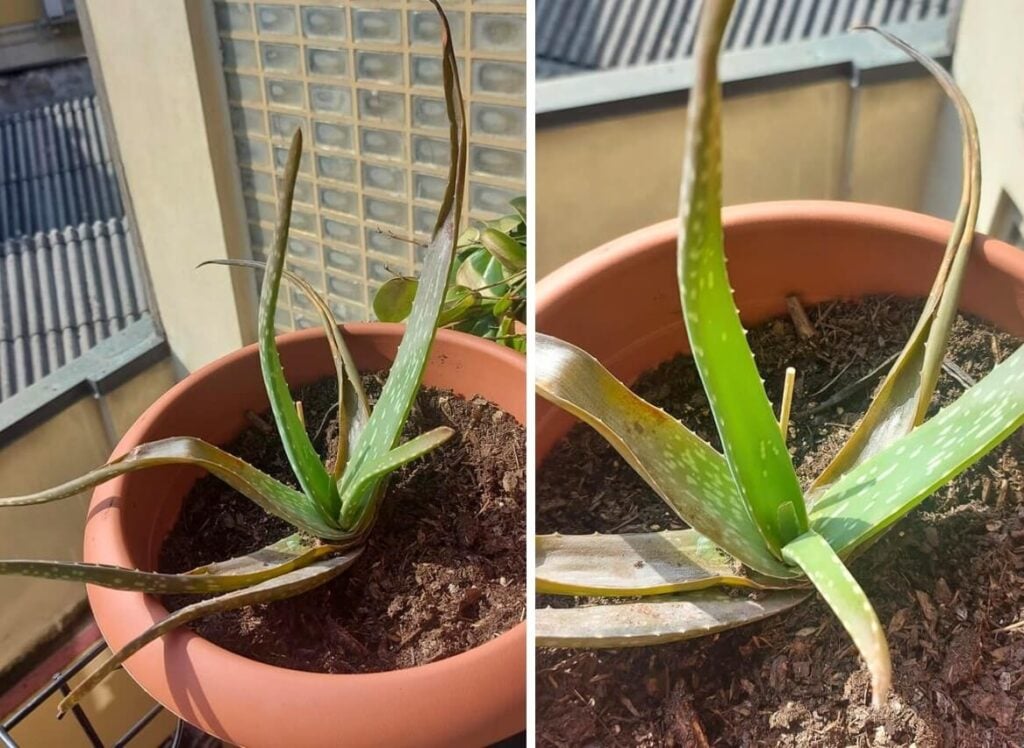
This is the big one. Aloe doesn’t want a little water every few days.
It wants a deep soak, and then to be left alone to fully dry out.
I used to make this mistake at the beginning: walk by, touch the soil, panic, add water. Over and over. It felt helpful. It was not helpful.
What to do instead
Water thoroughly, let excess drain, and don’t water again until the soil is dry all the way down.
Be careful because it shouldn’t just be dry on top. Dry like, stick a finger in, and it’s dry several centimeters down. In winter, it can be way less often.
Keeping it in a pot with no drainage
I think that if aloe plants could talk, the thing they would complain about most would be wet feet. A pot without a drainage hole is basically a doom for these plants.
Even if the top looks fine, water can sit at the bottom and rot the roots quietly over time. Aloe is sneaky like that. It won’t always show you right away until it’s too late.
What to do instead
Use a pot with drainage holes. Always. And a saucer is fine, just don’t let water hang out there.
If you water it and the saucer fills up, remember to empty it after about half an hour.
Using the wrong soil
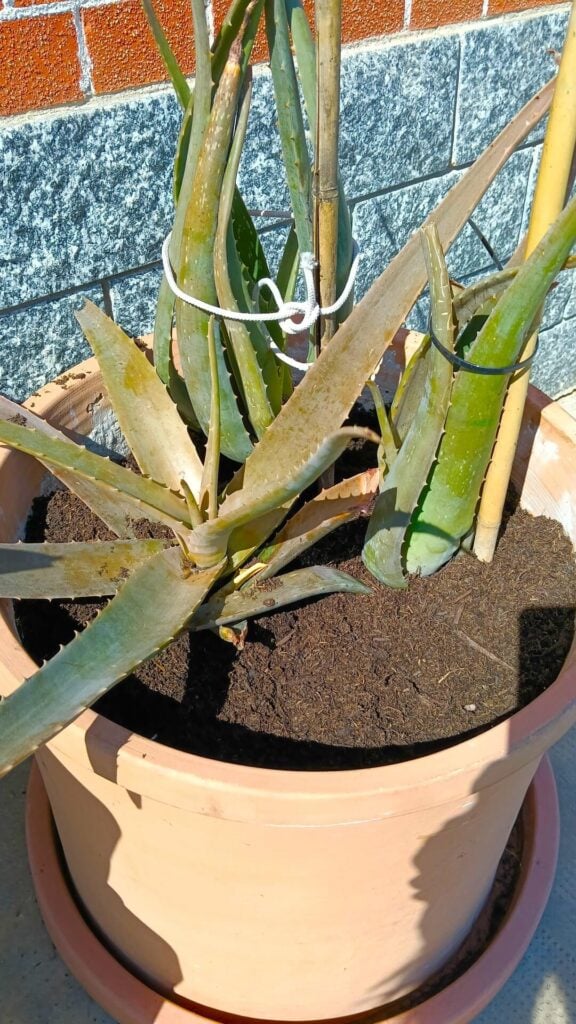
Aloe in a heavy and moisture-holding potting mix is like wearing a winter coat in the desert.
I keep saying that choosing the right soil is essential, but many people underestimate this point.
A lot of “all purpose potting soil” is great for leafy plants but not for succulents. Remember that Aloe wants air around the roots.
What to do instead
Use cactus or succulent mix, or at least add perlite, pumice, or coarse sand to regular potting soil. You’re aiming for something gritty that drains fast.
Not giving it enough light
Aloe can survive in lower light but it won’t be happy. You’ll notice that with time, it’ll stretch, lean, turn pale, and look a bit exhausted.
You’ll also notice that it starts banding toward the window, it’s basically telling you what it needs.
Once again, the lack of light will not kill it, but you will certainly not get a healthy aloe plant.
What to do instead
Bright light is the best choice for this plant. A sunny window is usually perfect.
If it’s been in shade for a long time, move it gradually so it doesn’t get sunburned overnight.
Suddenly throwing it into harsh sun
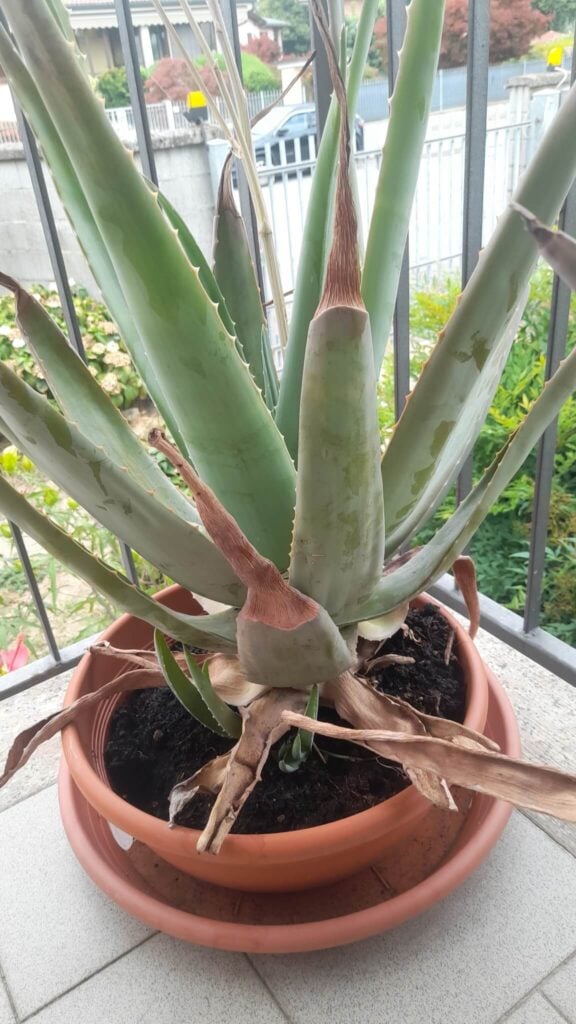
As I just said, light is absolutely good, but sudden intense sunlight is a totally different thing!
I once moved an aloe straight from indoors to a balcony during summer because I thought I was doing a good thing. Two days later, it had those weird brown patches, and I realized my mistake.
I thought aloe was more sun-resistant, given its thick leaves and desert origins, but it was definitely sunburned.
What to do instead
If you move it from indoors to the outdoors, or from a shady spot to a sunnier one, do so gradually.
A little more sun each day for a week or two works well. Think of it like easing into summer instead of jumping into a heatwave.
Then, as a general rule, leaving it in a place that is constantly exposed to the summer sun is not a good idea. A few hours of shade each day will definitely do Aloe good.
Repotting at the wrong time or too often
Aloe doesn’t need constant repotting. If it’s not root bound, not top heavy, and the soil is still decent, it’s usually fine.
And if you repot when it’s stressed (cold season, recently overwatered, not enough light), it can be very affected and may not even recover.
What to do instead
Repot when it’s clearly outgrowing the pot, when the soil has compacted and drains poorly, or when you’re dealing with pups and want to separate them.
Spring and early summer are usually the best times. Check its health before repotting it, choosing a time when the plant is healthy and strong.
Panicking over normal leaf changes
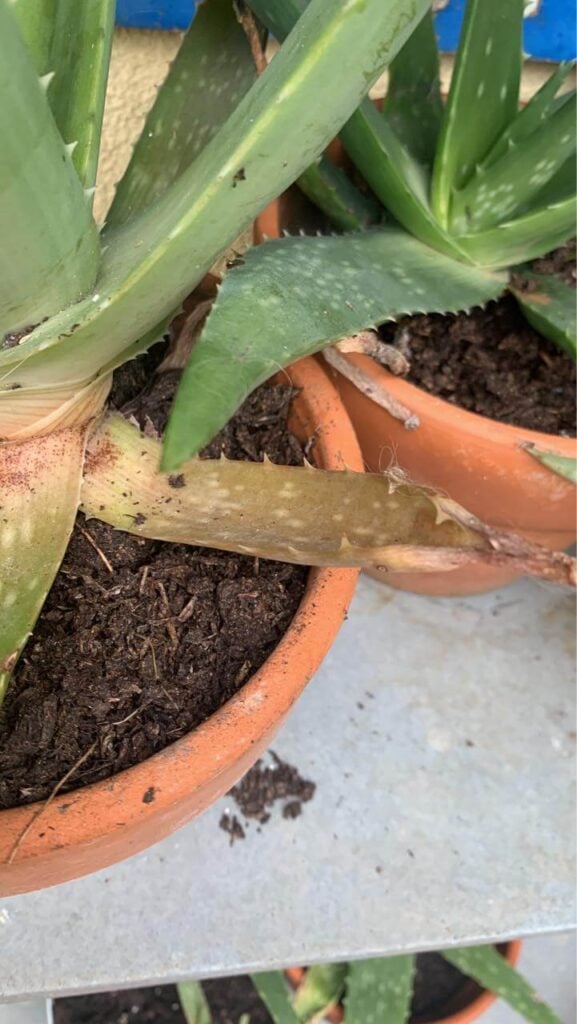
This one is so common. A bottom leaf turns thinner, droops, or gets a bit wrinkly and people immediately start doing ten different things.
More water, less water, fertilizer, moving it around, apologizing to it. I’ve done the whole routine.
Aloe naturally sheds older lower leaves over time. A little wrinkling can also happen if it’s thirsty. But wrinkling can also happen if roots are rotting and can’t drink properly. So it’s not always straightforward.
What to do instead
Look at the whole plant. If the leaves are mushy and translucent, that’s usually too much water.
If they’re thin and curling but still firm, it may just be thirsty. If the center is healthy and new growth looks good, a couple of ugly lower leaves are usually not something to worry about.
Over fertilizing, or fertilizing just because
Aloe is not a hungry plant. It’s not trying to become a giant tropical monster. A lot of the time, it’s happy with basically nothing.
Too much fertilizer can actually stress it and cause weird soft growth. Also, if it’s not getting enough light, fertilizer won’t fix that. It’ll just create a plant that’s weak but enthusiastic.
What to do instead
If you fertilize at all, do it lightly during the growing season (spring and summer).
A diluted succulent fertilizer once or twice in that period is plenty. Or skip it entirely.
Many people do, and I assure you that aloe plants thrive perfectly well without it.